
Car Tree Sap Removal
Why Does Tree Sap Need Its Own Assessment Before Exterior Cleaning?
Tree sap is a specific exterior concern, so it helps to describe the material and the paint surface before asking for a quote. A routine exterior wash and targeted sap removal do not necessarily describe the same work.
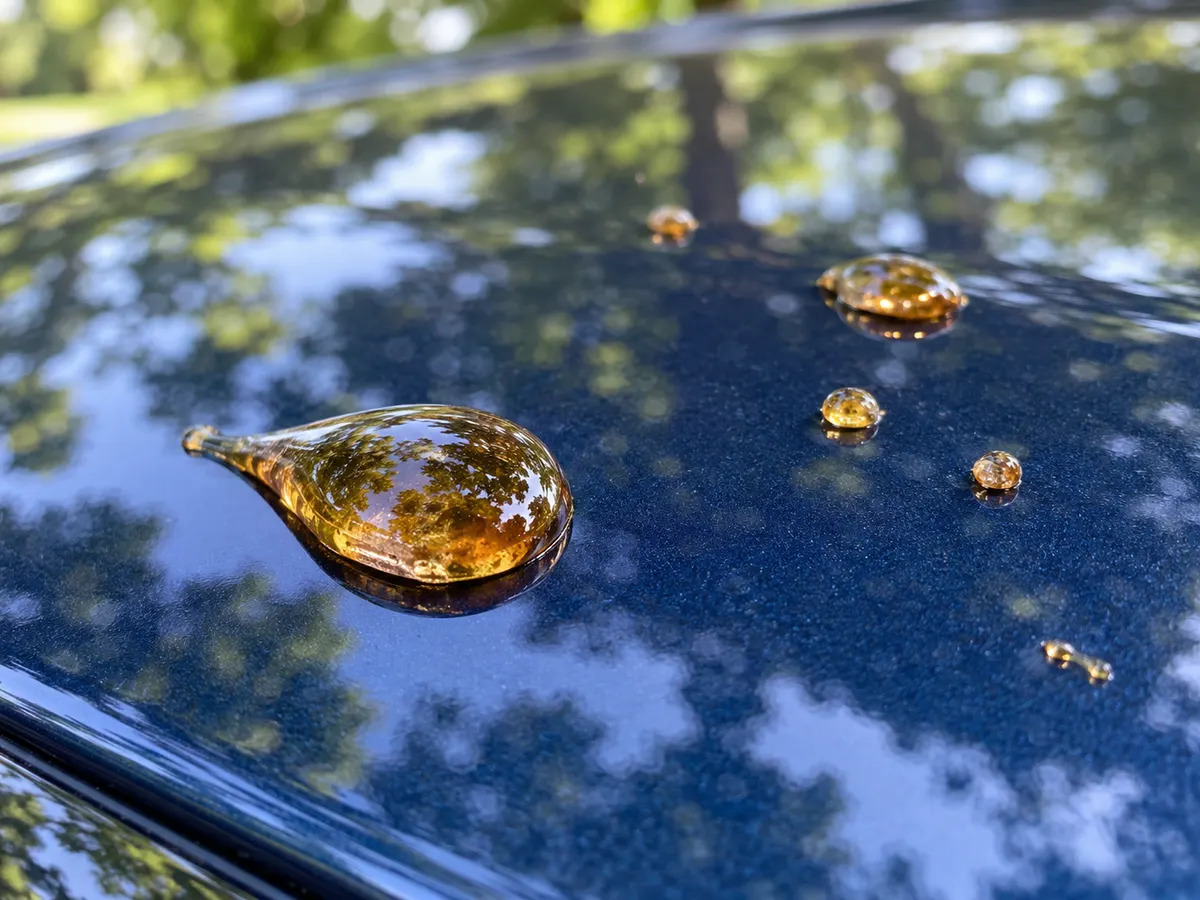
Record where the sap is and how widespread it appears
Identify the panels, glass, trim, or other exterior surfaces where you see sap. Explain whether it is one spot or several, and share how long you think it has been there. The affected area and surface help the team review what kind of work you are requesting.
If you have already tried to clean or remove it, mention what you did and what changed. This history is useful even if you are not sure whether the attempt affected the finish. Avoid assuming that all marks are sap or that a wash will address everything you see.
Separate sap removal from finish correction
Removing surface contamination and correcting a mark left in the paint are different concerns. If the sap is gone but the finish still looks different, describe that separately. Paint correction may need its own assessment, and not every scratch or mark can be corrected through detailing.
Share known coating, repaint, wrap, or matte-finish details, along with any previous treatment. The condition of the surface informs what can be discussed. A personal quote should explain the proposed scope rather than promise a perfect finish in advance.
Tell us what you want from the visit
Let us know whether you want the affected area addressed on its own or whether you also want exterior detailing. Mention wheels, door jambs, hand washing, or protection if those are priorities. The team can confirm which tasks belong in the quote and whether another service needs to be reviewed.
You do not need to select a treatment yourself. Describe the sap, the affected surfaces, the vehicle, and your finish concerns. The quote confirms the work before an appointment is arranged.
Plan for safe mobile access
The service van supplies water and power and can park in front of, behind, or beside your vehicle. You do not need a driveway. Safe, permitted access and enough space to open the doors freely are still needed.
If your car is at a condo, workplace, garage, or restricted street space, include the location rules in your request. The team reviews access and service details before confirming the quote.
Sap is different from ordinary road dirt
Tree sap can dry onto paint and resist a routine wash. Its age, heat exposure, surface location, and paint condition all matter. Fresh residue may loosen differently from a deposit that has been baked onto a panel. Tell the team what you see, where it appears, and roughly how long it has been there.
Sap can resemble tar, bird residue, mineral spots, or other contamination. A photo shows location but may not identify the material or reveal paint damage beneath it. Do not scrape with a blade, fingernail, or household tool. Request an assessment before choosing a removal method.
Avoid improvised solvents and abrasive tools
Strong solvents and abrasive pads can mark paint, trim, glass, decals, coatings, and wraps. Household products may affect a finish even if they remove visible residue. If you already tried something, tell the detailer the product name and where it was applied. Do not hide a failed attempt; it helps evaluate the surface.
Keep the vehicle out of direct heat when practical and avoid rubbing dry residue across the panel. A household product is not automatically compatible with automotive paint. Follow product instructions and ask a professional before using an unfamiliar remover. Preventing additional damage is more important than forcing a spot off quickly.
Account for finish history and existing damage
A coating, wrap, matte finish, repaint, repaired clear coat, or previous polishing may call for a different approach. Point out chips, fading, peeling, or sensitive trim near the deposit. If you do not know the paint history, say so. The treatment should reflect what the actual finish can tolerate.
Removing residue may not reverse etching or discoloration already caused by it. A mark can remain after the sap is gone. A separate paint-correction discussion may be appropriate for selected defects, but polishing has its own limits. Ask which part of the concern the proposed quote addresses.
Describe location and extent clearly
Estimate how many deposits there are, which panels they affect, and whether you park under trees. Mention when they appeared and what washing or chemical attempts have been made. You do not need to identify the tree species or diagnose paint damage. A factual description is enough to begin.
If sharing images, include a wider panel view and a closer shot in ordinary light. Avoid filters and glare. Photos cannot determine how firmly sap is bonded or whether paint underneath is etched. The team may need to inspect the vehicle before confirming method, price, and likely result.
Keep sap removal distinct from clay and polishing
Targeted sap removal addresses a specific deposit. Clay treatment may remove certain bonded material, while polishing refines selected paint defects. A routine wash or exterior-detail package may not include these tasks automatically. Ask which steps and panels are part of your quote.
The process may be staged after a surface review. Removing residue does not mean correction is necessary, and polishing does not promise to remove every remaining mark. A clear estimate should identify the task, areas, possible follow-up, and limitations.
Reduce repeated exposure where practical
Moving to a different permitted parking spot or using covered parking can reduce repeated deposits when a vehicle sits under trees. A clean, properly fitted cover may help in some situations, but wind and trapped grit can create rubbing. Follow the cover and vehicle maker guidance and remove it carefully.
Routine washing and appropriate protection can make upkeep easier, but neither prevents every deposit or damage. Avoid using an aggressive remover without confirming compatibility. Ask the detailer about care suited to the finish, especially if the vehicle has a coating, wrap, or matte surface.
Plan the mobile work location
Choose a safe, permitted place where the van can park close to the vehicle and the team can access the affected panels. The van brings water and power; a driveway or outlet is not necessary. Check workplace, apartment, garage, and shared-lot rules before arranging exterior service.
Share height limits, gate instructions, obstructions, and available shade. Weather and surface temperature may affect some paint work. The team can review whether the location suits the request and discuss another time or place if needed.
Understand the factors that affect a quote
Price may depend on how many deposits are present, their size and age, vehicle size, finish type, and whether additional decontamination or polishing is requested. A few fresh spots differ from widespread baked-on residue. Provide accurate information and ask whether an in-person assessment is needed.
Ask what improvement is realistic and whether a mark may remain after removal. A quote should not promise perfect paint without reviewing its condition. Confirm whether protection is included and what the term means. If the scope changes after inspection, approve the revised work and price before it proceeds.
Confirm the work and deposit before scheduling
A website form begins a quote conversation and does not reserve a visit. The team reviews the vehicle, sap concern, location, and access, then follows up about service, price, and timing. Confirm whether the request is for targeted removal, exterior detailing, clay, or correction, and keep each task clear.
A deposit is required before an appointment is booked. Review the amount, cancellation terms, and confirmation before paying. If you try a product or notice new damage after the quote, update the team so the planned treatment still fits the finish.
The deposit’s age can change the approach
Fresh sap and hardened deposits do not necessarily respond to the same treatment. Sun and heat can dry residue onto the finish, while repeated exposure may leave more than one layer. Tell the team when you first noticed the spots and whether the vehicle has been parked outdoors since then.
Do not wait to mention a concern simply because you cannot estimate its age. A practical description and clear photo can help start the conversation, but an on-site review may still be needed to choose a method and estimate the result.
Nearby trim and glass may need different care
Sap can land on paint, glass, plastic trim, rubber seals, or a wrap. These surfaces do not all tolerate the same chemical or tool. Identify which materials are affected and point out delicate trim or aftermarket film. A treatment suitable for clear coat may not suit a neighboring surface.
Avoid spreading remover beyond the deposit or allowing an unknown chemical to dwell. Ask what areas the quote covers and whether separate methods are needed for glass or trim. The team should explain any material-specific limits before proceeding.
What if the residue has already etched the surface?
After a deposit is removed, a dull outline or mark may remain if the finish was affected. Removing the residue and correcting the resulting defect are separate tasks. Tell the team if you see discoloration or a shadow after gentle washing, and ask whether paint inspection is appropriate.
Polishing may improve selected defects but cannot guarantee a full repair, especially if damage is deep or clear coat is compromised. A body professional may be needed. A quote should separate the removal process from any correction and describe what could remain.
Be careful with covers and tree parking
If you use a car cover beneath a tree, make sure it is clean and fitted according to its maker. A dirty cover can rub grit across the finish, and wind can cause movement. Covered parking may reduce deposits but is not automatically risk-free.
When possible, choose a permitted spot away from heavy tree exposure. If parking cannot change, routine inspection and timely professional advice may help manage deposits. Protection can support maintenance but does not make paint immune to sap or other contaminants.
Keep notes if deposits return in the same place
If you repeatedly find residue on a roof, hood, or trunk, note the parking position and timing. The pattern may help identify exposure, though it does not prove the source. Share the observation and any prior treatments when asking for a service.
A recurring deposit may need practical parking changes rather than repeated removal alone. Ask the detailer about routine washing and suitable protection, then follow product guidance. Avoid aggressive spot treatments that can cause more finish damage than the original residue.
Choose a response based on the actual deposit
A few fresh droplets may call for a different discussion than a large hardened patch across several panels. Tell the team the count, approximate size, location, and time exposed. If sap covers glass, rubber, plastic, or a wrap as well as paint, identify those materials separately.
The provider can then determine whether a targeted service or broader decontamination should be considered. Do not assume the simplest method is appropriate for every location. A clear quote should name the affected areas and material-specific limits.
Protect the surface while documenting the concern
Photograph the vehicle in normal light and keep the images unedited. A wide view provides panel context; a closer view shows the deposit. Avoid touching or scraping it before the assessment. If you already used a remover, record the product and time applied.
Good documentation makes it easier to discuss whether the spot changed after treatment. It does not replace paint inspection or establish the chemical identity. If a mark remains, ask whether the surface needs correction or repair as a separate step.
Follow aftercare once sap has been removed
Ask whether any protection was applied and when the vehicle may be washed. Follow the specific product directions and avoid adding another cleaner immediately. If a residue reappears, take a photo and contact the provider before repeating a home treatment.
A protective layer may make routine washing easier but does not guarantee that sap will release without care. Continue to inspect exposed panels and consider changing parking when possible. Use the detailer’s guidance for your actual finish rather than a universal internet remedy.
What to remember
- Identify affected panels and surfaces.
- Share the extent, age, and any previous removal attempt.
- Sap removal and paint correction are different concerns.
- Mention coatings, wraps, repainting, or finish expectations.