
Paint Correction & Surface Care
How Do Clay-Bar Decontamination and Polishing Differ?
Clay-bar decontamination and polishing answer different exterior concerns. If paint feels rough or looks dull, describe what you notice rather than assuming one step addresses every issue. A Boston quote can be based on the surface, finish history, and result you want reviewed.
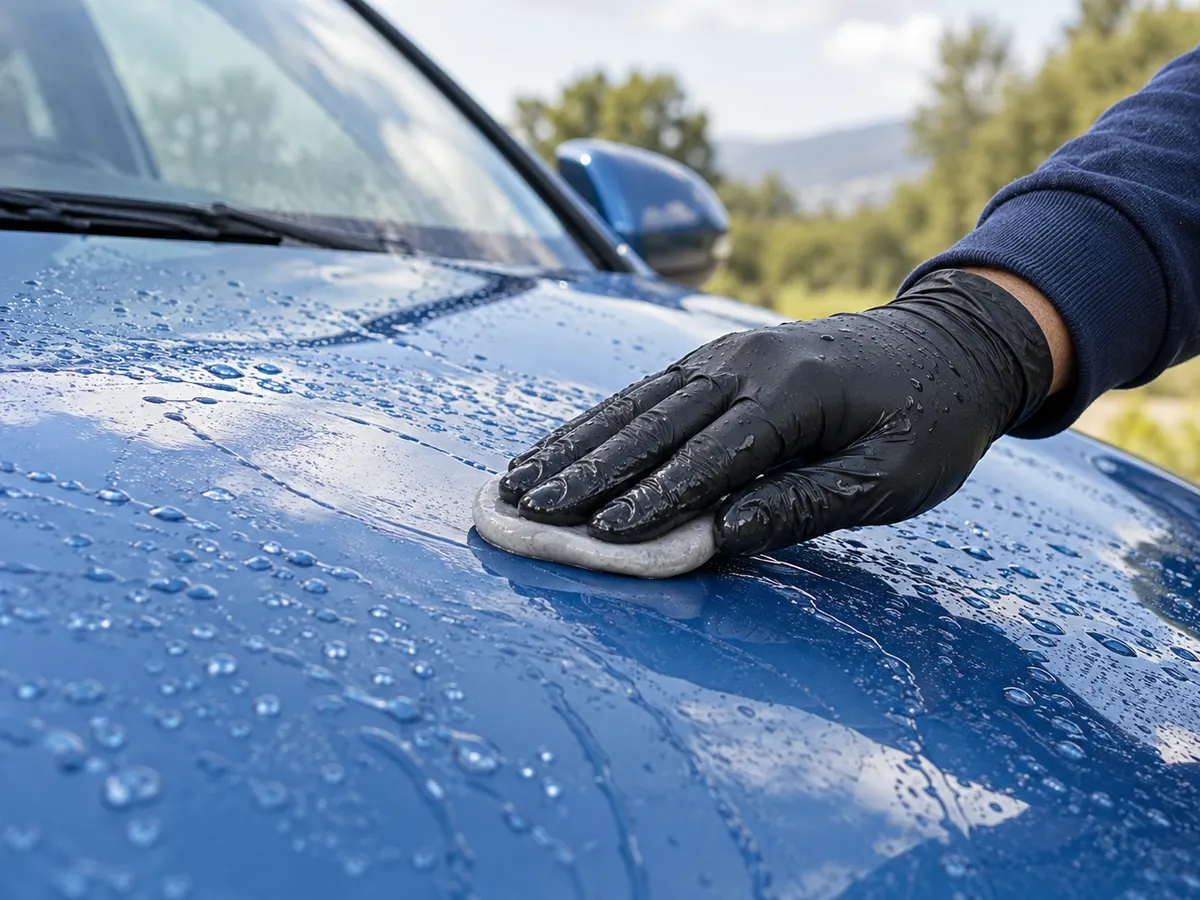
Distinguish bonded contamination from swirls
Meguiar’s FAQ describes clay as a way to remove bonded above-surface contaminants and notes that clay does not remove swirl marks. The distinction is useful when choosing what to ask about: surface contamination and visible paint imperfections are not the same concern.
Polishing or correction may be discussed when the concern is the appearance of the finish, while decontamination addresses bonded material on the surface. The specific work should be assessed for the vehicle and finish; do not assume that “clay and polish” guarantees a particular result.
Describe how the surface looks and feels
Tell us whether the paint feels rough, appears dull, or shows visible marks, and identify the panels involved. Mention how widespread the concern is and whether you have already tried another treatment. This helps the team understand whether you are primarily asking about contamination, polishing, or another finish concern.
Share any known coating, wrap, matte finish, repaint, or repair. Different surfaces and prior work may affect which scope is appropriate. A short description and an assessment are more useful than choosing a treatment based on a label alone.
Keep protection and correction in view
Cleaning, decontamination, polishing, and protection are related but distinct parts of exterior care. A protective product does not mean a visible scratch has been corrected, and a decontamination request should not be read as a promise to fix swirls. Ask how the proposed quote treats each priority.
If you also want an exterior hand wash or paint correction, mention that in your request. The quote can identify what is included and what needs a separate review before work begins.
Share access and vehicle details
Include the vehicle type, town, finish history, and panels that concern you. The mobile van brings water and power and can park close to the car; a driveway is not necessary. Safe, permitted access and room to open the doors freely are still required.
If the car is at a managed property or on a restricted street, share that information with the parking plan. The quote is confirmed before the team arranges an appointment.
Decide whether the concern is contamination or a defect
Clay-bar decontamination addresses certain bonded particles on suitable paint after ordinary washing. Polishing refines the finish to improve selected defects. They are different services. Describe whether paint feels rough, has stuck-on dots, or shows swirls and scratches. That observation helps frame the request without assuming the treatment.
Sap, tar, fallout, mineral deposits, and overspray can look similar in a photo. Do not scrape a spot with a blade or rub dirty paint with your hand. Tell the team where roughness appears and let it assess the material and finish before proposing a method.
Understand the role and limits of clay
Clay uses suitable lubricant and a decontamination tool to pick up certain bonded material from paint. It is not a scratch remover, routine wash, or durable coating. Depending on the vehicle and process, it may be followed by polishing or protection. Ask which panels and preparation tasks the quote includes.
Clay should not be used dry or dragged over a dusty surface, and it is not appropriate for every finish. Some contaminants need a different chemical treatment or specialist assessment. Ask what change in surface feel is expected and whether additional steps are proposed instead of assuming one treatment solves every concern.
Understand the role and limits of polishing
Polishing can improve the appearance of certain swirls or light marks, depending on the paint condition. It cannot replace missing paint, guarantee removal of deep scratches, repair chips, or necessarily correct etching. Ask what improvement is realistic for your panels and whether an in-person assessment is needed.
Because polishing can remove clear coat, the finish history matters. Repainted panels, thin finish, previous correction, wraps, and coatings can change the approach. Share what you know and identify areas to avoid. A body shop may be more appropriate for repair than detailing.
Do not assume one service includes the other
A decontaminated panel can feel smoother and still show swirls. A polished surface can look clearer while bonded contamination remains if it was not addressed first. The services have different purposes and may be combined only when the condition and quote support it. Confirm each planned step rather than relying on a broad package name.
Ask whether washing, chemical decontamination, clay, polishing, and protection are separate tasks. A basic exterior service may include only some preparation. Written scope avoids confusing a wash with correction or assuming that a polish removes every type of deposit.
Explain how the finish has been treated
Mention outdoor parking, nearby trees or construction, prior wax, sealant, coating, wrap, repaint, and previous polishing. Explain what you have already tried on any rough area. This can help the team consider the requested result and avoid repeating an unsuitable method.
Do not scrape, use abrasive household tools, or apply strong solvent while waiting. These actions can add marks or damage trim. A photograph can identify location but cannot measure paint thickness or establish the precise contaminant. The team may need to inspect the car before confirming the process.
Set expectations for finish and protection
Clay can leave suitable paint smoother to the touch but does not guarantee a mirror finish. Polishing may improve selected defects but cannot make damaged paint new. A protective product, when included, has its own care requirements and does not prevent every mark. Ask what is included and what result is reasonable.
Different panels may respond differently, particularly if they have prior repairs. A careful estimate describes likely improvement and uncertainty. Do not base your expectations solely on dramatic before-and-after photos from another vehicle. Discuss your car, the proposed steps, and the outcome that matters to you.
Choose a suitable mobile work area
Mobile exterior care can happen at a suitable home or workplace. The van brings water and power, so a driveway and utilities are not required. Choose a permitted spot with safe access and room to walk around the vehicle. Check property rules, garage clearance, and whether washing is allowed.
Shade, surface temperature, and weather can affect some paint work. Tell the team what location is available and ask whether it suits the requested service. Nearby trees, ongoing construction, or tight parking may affect the plan. A safer time or location can be discussed before booking.
Compare quotes by the included steps
Ask whether the quote covers bonded-contamination removal, polishing, protection, or only a wash. Confirm which panels are included, how the finish will be reviewed, and what defects are outside scope. If a quote says one-step polish, ask what it means and whether decontamination is included.
Price can depend on vehicle size, paint condition, selected steps, and panel count. Another car’s quote is not a reliable comparison. Focus on work, expected improvement, limitations, and aftercare. Request plain language when terminology is unclear.
Confirm the work and booking sequence
Share the vehicle, finish history, location, and what you see or feel when requesting a quote. The team can follow up about whether clay, polishing, or another service fits. A form submission does not automatically reserve a time.
A deposit is required before an appointment is booked. Review the amount and terms, then keep the confirmation and work description. If the finish was treated or damaged after the quote, let the team know before service.
Why proper preparation matters
Paint should be washed and assessed before a decontamination tool or polishing pad is used. Grit left on the surface can create additional marks when it is moved. Ask which cleaning and preparation steps the quote includes and whether chemical treatment is needed before clay.
Do not clay a dusty panel or use an unknown lubricant. If you have tried a home method, explain what was used. The team can then decide whether the finish needs a different review before further contact.
Recognize the limits of touch tests and photos
A rough feel can indicate bonded material, but it does not identify the contaminant. A close photograph may show a spot yet fail to reveal its depth or effect on paint. Share both observations and let the detailer assess the panel. Avoid repeatedly rubbing the finish to test it.
If you see a scratch, note the panel and lighting rather than trying to judge its depth with a fingernail. Paint history and thickness matter. An in-person inspection is more useful for deciding whether polishing is appropriate than a remote guess.
Consider the order of service steps
When both decontamination and polishing are appropriate, cleaning and surface preparation generally need consideration before polishing. The exact sequence depends on the material and chosen process. Ask the provider to describe the order and why each step appears in the quote.
Protection, if selected, should be discussed after the surface work and with clear product details. Do not assume every package follows the same sequence or includes the same products. A written step list makes the service easier to understand.
Know when a body shop should assess paint
Peeling clear coat, deep scratches, exposed primer, chips, and collision damage are repair concerns. Clay or polish cannot replace missing finish. Show the affected area to a body professional if you are unsure whether it can be detailed safely.
If repair is completed, tell the detailer what work was done and follow any curing guidance before requesting polishing or protection. Fresh paint may need time before certain products are applied. The repair provider’s instructions should guide timing.
Stop if the paint reacts unexpectedly
If a product changes the paint color, leaves a haze, softens trim, or creates a new mark, stop applying it and tell the detailer what happened. Do not try to correct a reaction with another abrasive or solvent. The finish may need assessment before any additional contact.
Keep the product container or photograph its label and note how long it was on the panel. That information can help a professional understand the issue. If paint is peeling or damaged, a body shop may be the correct next step.
Discuss panel-by-panel differences
The hood, roof, doors, and repaired panels may differ in exposure, paint history, and condition. One area can respond well to decontamination while another needs a different approach. Ask whether the quote covers the full exterior or selected panels and how variations will be handled.
A uniform package label does not mean every panel will receive identical work. A careful provider can explain why one section may be excluded or treated conservatively. Confirm any change to scope and price before the service proceeds.
Plan for protection after the surface work
Once a surface is decontaminated or polished, ask whether protection is included and what product is used. Confirm if additional prep, curing time, or washing instructions apply. Do not assume the paint is protected simply because it feels smooth after clay treatment.
Protection supports future maintenance but does not correct remaining defects or prevent every contaminant. Follow the provider’s care guidance and ask how long to wait before routine washing. Product-specific directions are more useful than a generic rule.
Keep a record of the agreed paint result
Before work begins, keep the quote and note which panels, steps, and limitations were discussed. If the service includes a test area or a specific correction goal, ask the team to explain the result before moving across the rest of the vehicle. This helps prevent a difference in expectations after the work.
After service, keep any aftercare instructions and ask which concerns remain outside scope. A remaining scratch or mark may need repair rather than more polishing. The written record makes it easier to decide whether to maintain the finish, request a separate assessment, or consult a body professional.
What to remember
- Clay addresses bonded surface contaminants, not swirl marks.
- Polishing or correction concerns visible finish imperfections.
- Share coating, wrap, paint, and prior-treatment history.
- Ask which work is included in the quote.