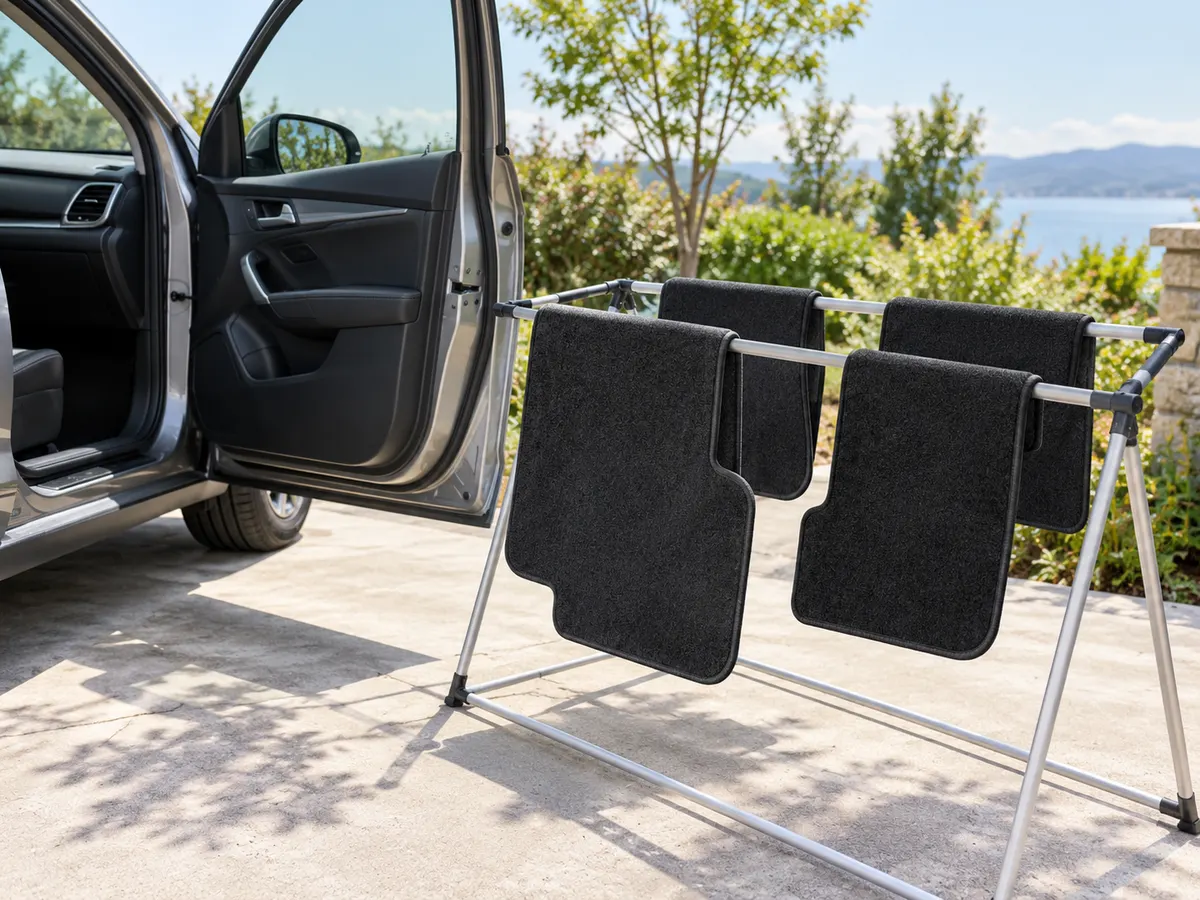
Signs of mold or mildew inside a car
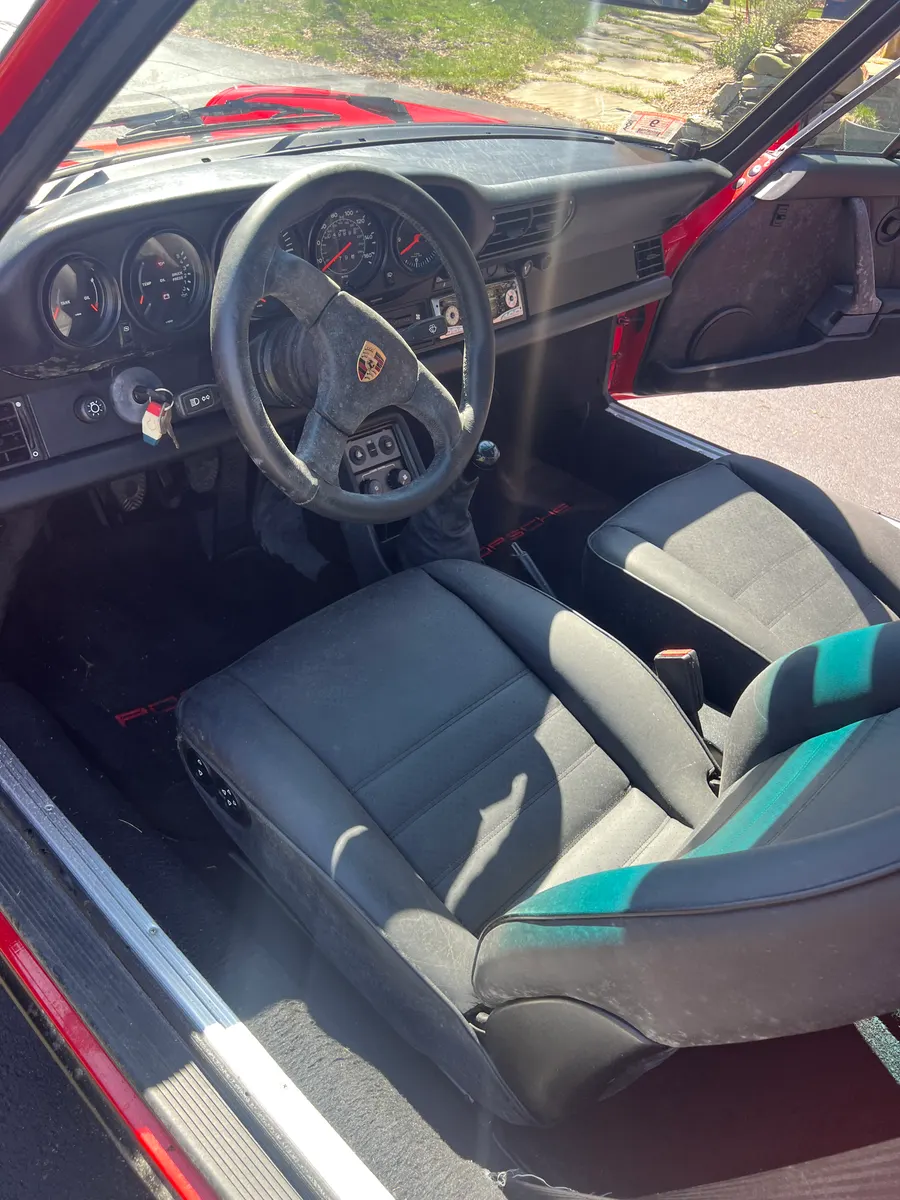
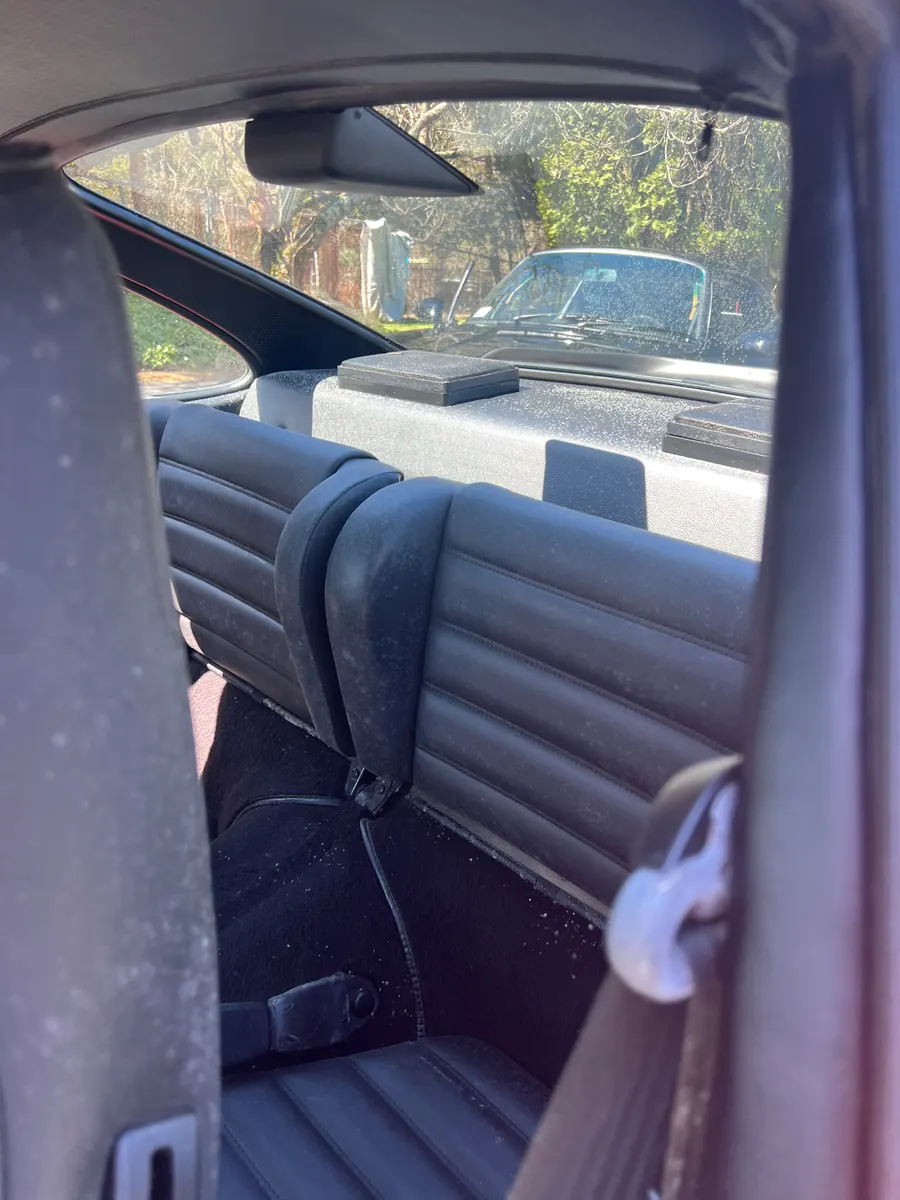
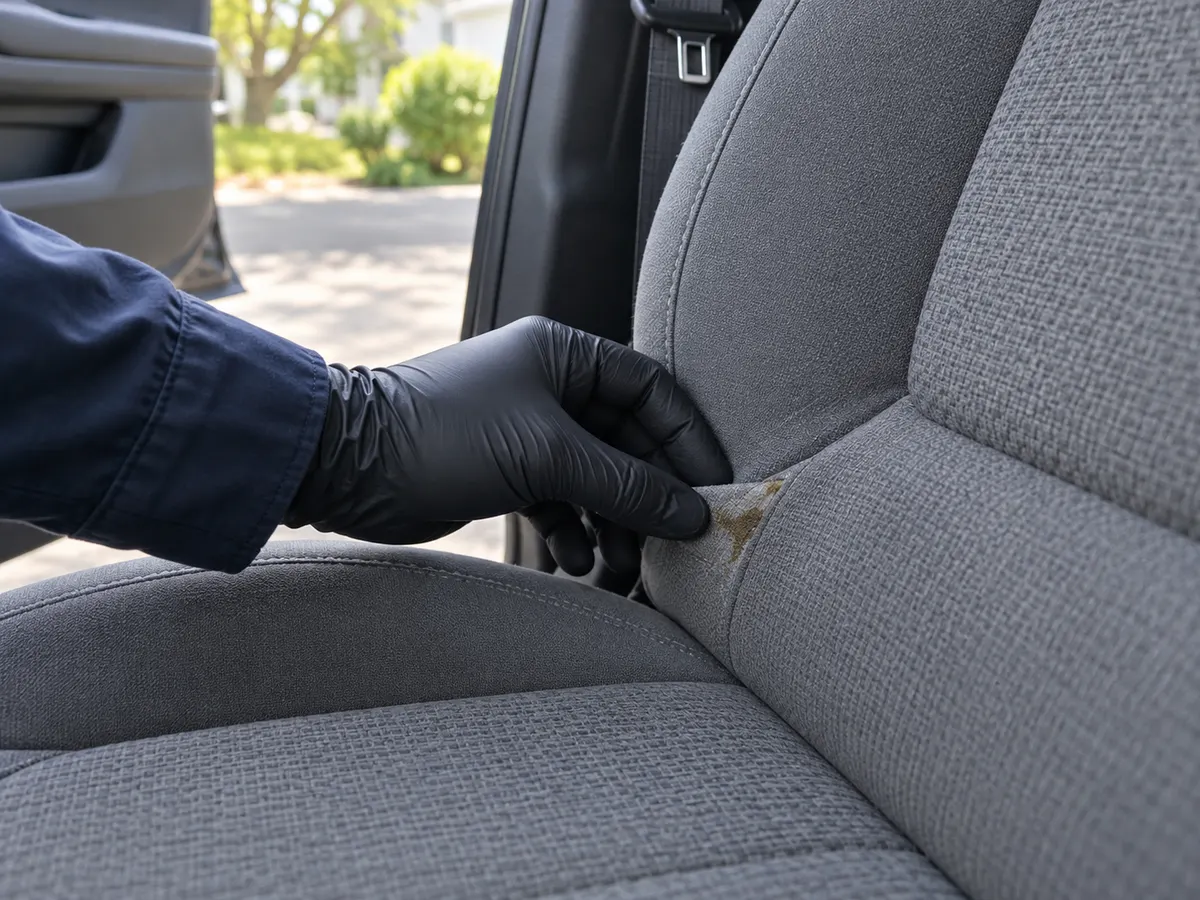
Look for visible spots or discoloration on fabric seats, carpet, floor mats, seat belts, trunk lining, or other interior trim. A persistent musty smell or upholstery that still feels damp can also be useful details to share. Appearance alone cannot tell us how far moisture or growth extends, so describe the locations and show us the affected areas when requesting a quote.
Mold and mildew concerns can follow a window or sunroof leak, a door-seal problem, wet shoes or gear, a spill, or water left in carpet after flooding. Tell us what happened and whether the dampness has returned; that history helps us distinguish a one-time wet area from an ongoing moisture problem.
What in-shop car mold remediation may include
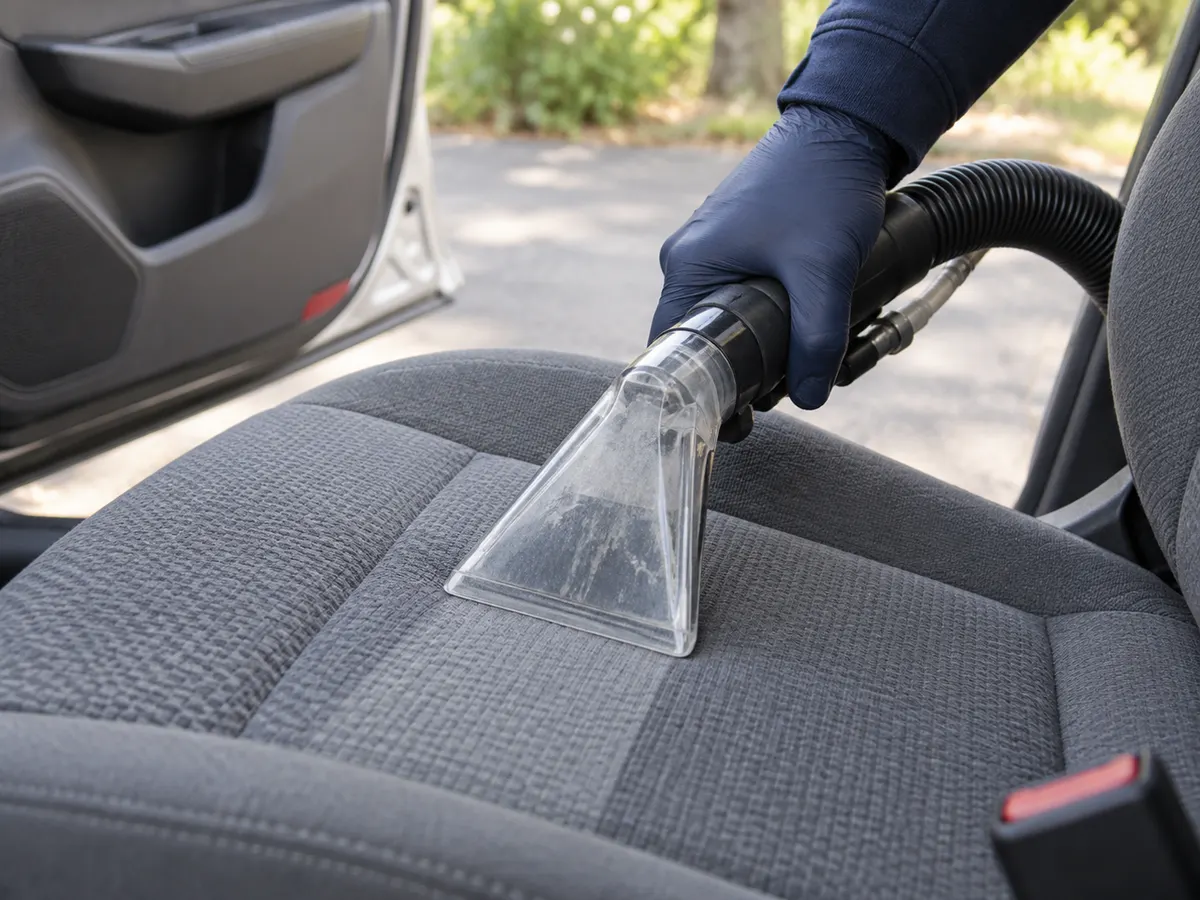
For a more thorough assessment, the vehicle comes to our shop. Depending on the vehicle and where moisture reached, the service may include removing interior components as appropriate, inspecting affected areas, cleaning and disinfecting affected parts, extracting accessible water, and thoroughly drying treated areas before reassembly. We explain the proposed work and confirm the scope before starting.
The exact process depends on inspection, material condition, and access. Some components may be too damaged to restore and may need replacement. We do not promise 100% removal in every vehicle or guarantee that a stain or odor will disappear; hidden damage, ongoing leaks, or contamination inside a mechanical system may require a separate specialist.
Why the source of moisture matters
Cleaning the visible area does not stop water from entering the car again. If a sunroof drain, window seal, door seal, windshield, or other part is leaking, arrange an inspection and repair with an automotive professional. A recurring wet carpet or damp trunk should be mentioned before service so the cleaning plan reflects the ongoing condition.
Drying and moisture control are important parts of preventing a mold problem from returning. We provide detailing for the agreed accessible areas, not leak diagnosis, body repair, HVAC repair, or structural water-damage restoration. We’ll tell you when the reported issue appears to need a different specialist.
What affects the service scope
The amount and location of visible growth, how much carpet or upholstery is damp, the type of material, how long it has been wet, prior cleaning, and access all affect the work that may be appropriate. A small surface concern is different from water damage across multiple rows or a trunk, or a musty smell that seems to come from a vent.
Share the locations you can see and any photos with your quote request. We may ask follow-up questions or need to inspect the vehicle before confirming the scope. If the affected area is hidden behind trim or within an HVAC system, a specialist may be needed.
How to prepare for an in-shop mold assessment
Before bringing the vehicle in, contact us to discuss what you have noticed and arrange the shop visit. Share where you see mold or dampness, any water intrusion or leak history, prior cleaning, and whether the musty smell is strongest near the vents, seats, floor, or trunk. Remove personal belongings only if doing so will not disturb visible growth or wet material; if unsure, ask us first.
We’ll review how the vehicle can be brought in and explain the proposed inspection and service scope before work begins. If the vehicle is not safe to drive or has an active leak, tell us so we can discuss the appropriate next step.
Shop remediation versus mobile surface cleaning
A standard interior detail is for routine cabin dirt and buildup. Mobile mold-related service is limited to accessible surface cleaning and extraction of surface-level water; it is not a substitute for a full mold-remediation assessment. For suspected contamination under carpet, behind trim, in foam, or in multiple cabin areas, we recommend bringing the vehicle to our shop.
At the shop, we can assess whether interior components should be removed to reach affected areas, then clean and disinfect affected parts and thoroughly dry treated areas as part of the agreed work. If mold or moisture involves an HVAC system, structural damage, or an unrepaired leak, we may refer you to an appropriate automotive or restoration specialist.