
Paint Correction & Surface Care
How Is Paint Correction Different from Paint Protection?
Paint correction and paint protection describe different goals. One concerns visible finish imperfections; the other concerns a protective layer. Boston drivers can explain what they see and what result they want so the finish can be reviewed before a scope is proposed.
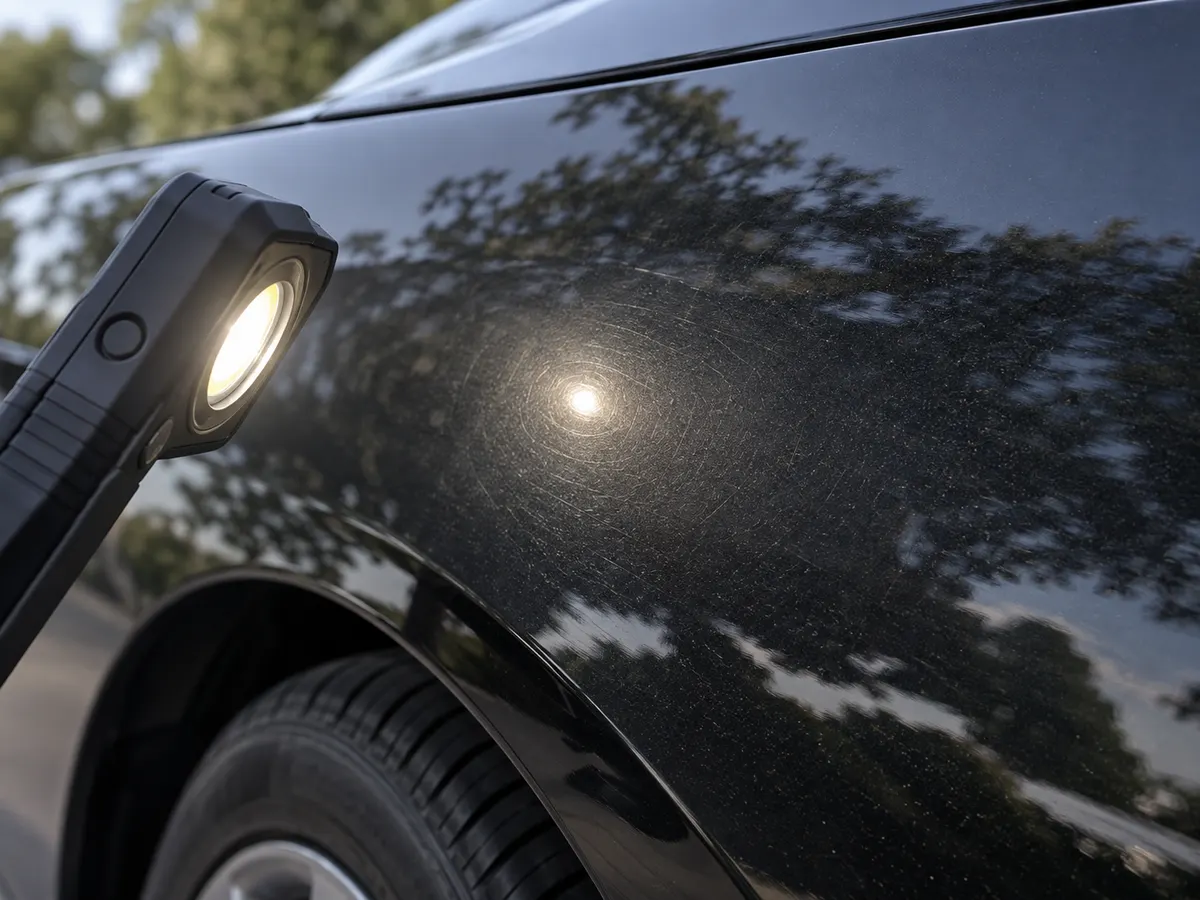
Name the finish concern you can see
Describe swirl marks, dullness, scratches, or other visible imperfections and identify the panels that concern you. Tell us whether the issue is widespread or limited to particular areas. A request focused on how the finish looks differs from a request for routine exterior cleaning.
Share any known repaint, repair, coating, wrap, or matte finish information. Prior work and surface condition help shape a realistic discussion. The team can review what is known and explain the proposed correction scope before any appointment is arranged.
Separate correction from protection
Meguiar’s product guidance distinguishes compounds used for swirl or oxidation concerns from wax used to protect a finish. That general distinction helps frame the question: correcting a visible defect and adding protection are separate goals, and one should not be assumed to do the other.
A detailer needs to assess the finish and the result you want before recommending a scope. Paint correction is not a promise that every scratch or mark can be removed. If your main goal is a wash or protective care, say that directly so the quote addresses the right work.
Ask for an assessment when you are unsure
You do not need to diagnose the paint or select a treatment in advance. Tell us what you notice, which panels are affected, and what you hope to improve. Mention any prior polishing, coating, repainting, or repair you know of, because those details may matter to a review.
The quote confirms the proposed scope and expectations before work begins. If another exterior service also interests you, mention it so the team can explain whether the requests should be quoted together or assessed separately.
Prepare the mobile location
Mobile detailing brings water, power, and equipment to your home or workplace. The van can park in front of, behind, or beside the car, so a driveway is not required. There must be safe, permitted access and enough room for the doors to open freely.
Share vehicle size, parking details, and any property restrictions with your request. The team reviews those details, confirms the quote, and arranges an appointment with you afterward.
Separate paint improvement from paint protection
Paint correction uses polishing to improve selected surface defects. Paint protection, such as a wax or sealant when included, is intended to help maintain a cleaned finish. Protection does not repair a chip, level a scratch, or remove etching. If you want both improved appearance and easier upkeep, ask whether separate preparation, correction, and protection steps are included.
Terms such as polish, correction, wax, sealant, and coating describe different processes or products. Package names are not a substitute for a clear scope. Ask what product and work the quote actually covers, how many steps are proposed, and which areas are included. Do not assume an exterior detail includes a multi-year coating.
Describe defects without assuming their cause
Tell the team where you see swirls, scratches, dullness, or water spots and when they are easiest to notice. Angled-light photos can help locate a concern, but glare and phone processing may exaggerate or hide defects. Mention repainting, collision repair, wraps, coatings, or prior polishing that you know about.
Not every visible mark is in the clear coat, and some defects cannot be safely polished away. Deep scratches, chips, peeling clear coat, and etching may need repair or may remain. Avoid scraping the paint to test depth. An assessment should set a realistic improvement target for your finish.
Consider clear-coat condition before correction
Polishing can remove a small amount of clear coat as it refines the surface. Paint thickness and condition vary by panel, repair history, age, and previous work. A quote should not promise a flawless finish without review. Ask how the proposed correction level is chosen and which panels may be left untouched.
Thin, failing, recently refinished, or uncertain paint may call for a limited approach or no correction. A detailer should explain that choice rather than proceed because a service was requested. A body shop may be more appropriate for damaged paint. Appearance work does not replace repair.
Choose protection for your care routine
Ask whether the quote includes wax, sealant, or another named product, how the paint is prepared, and what maintenance is recommended. Do not assume a specific lifespan or multi-year benefit unless the product details and written terms say so. Protection helps with upkeep but does not prevent rock chips, scratches, or every water spot.
Exposure, washing technique, and maintenance influence how a protective layer performs. If you want easier routine washing or a certain appearance, explain that goal. The team can confirm whether its offered service suits it and what limitations apply.
Keep washing and decontamination distinct
A wash removes ordinary dirt so the surface can be assessed; it does not correct swirls. Clay-bar decontamination may remove certain bonded material but is not polishing. Ask which preparation steps are included and whether correction or protection is separately scoped.
Avoid abrasive pads or strong cleaners before the assessment. If you see sap, tar, overspray, or rough deposits, describe their location and any prior treatment. A focused contamination service may be more appropriate before polishing is considered.
Share vehicle history and finish details
Tell the team about repainting, collision repair, prior correction, coating, wrap, matte finish, aftermarket film, delicate decals, or areas you want excluded. Known history affects the appropriate approach. If details are unknown, say so and ask what inspection is possible before committing.
The mobile work location must be safe and permitted, with room around the vehicle. The van brings water and power, and a driveway is not required. Confirm property rules, overhead clearance, lighting, and weather considerations so the team can review whether the location suits paint work.
Request a measurable scope
A useful quote identifies target panels, approximate correction level, preparation, protection product if any, and limitations. Ask how a larger SUV or different paint condition changes the plan. “Perfect paint” is not a measurable request; tell the team which visible defects you want improved and what result matters to you.
Ask whether a test area or in-person review is needed and what happens if a panel is damaged or repainted. A written scope should distinguish enhancement from repair and describe uncertainty. Different panels may respond differently, so realistic detail is more useful than an unsupported guarantee.
Compare the process rather than the product label
When comparing quotes, look at preparation, number of polishing steps, correction goal, protection, vehicle size, and aftercare. Confirm whether the whole car or only selected panels are included. Ask what is excluded, such as chips, deep scratches, etching, or body repair.
A glossy photo does not prove how much correction occurred or how durable protection will be. Ask providers to explain steps and limits in plain language. Comparing written work is more useful than comparing undefined terms or another customer’s result.
Confirm the deposit and appointment terms
A quote request is not a booking. The team reviews the car, condition, location, and requested outcome, then discusses price and availability. Confirm the correction and protection scope before accepting, and update the team if the finish changes or new damage appears.
A deposit is required before an appointment is booked. Review the amount, cancellation terms, and confirmation before payment. Keep the agreed scope for reference so the service and expected outcome remain clear.
Inspect the vehicle in consistent light
Swirls and scratches can be easier to see under direct or angled light, while glare can make a panel look worse or better than it is. Note which panels concern you and take clear photos in ordinary conditions if helpful. Avoid editing images or using a flash that hides the true color and texture.
A photo cannot measure clear-coat thickness or show a repair beneath the surface. The team may need to inspect the car in person before estimating a correction level. Share the visible concern and let the assessment guide what is practical.
Understand how a test area can clarify expectations
On some vehicles, a small test area helps evaluate how the finish responds to a chosen polishing method. Ask whether this is part of the assessment and how results affect the final scope. A test can inform a discussion, but it does not guarantee that every panel will respond the same way.
If the result is less improvement than you hoped, decide whether the remaining defect is acceptable or whether a body shop should review it. Do not pressure a provider to keep removing material simply to chase a perfect appearance. Paint preservation is part of a responsible decision.
Ask how protection should be maintained
Request written care guidance for any wax, sealant, or coating included. Ask which wash methods and products are compatible, when the vehicle can be washed, and whether follow-up maintenance is recommended. Follow the product maker’s instructions rather than relying on generic claims about every coating.
Protection is a maintenance aid, not armor. It will not prevent all chips, scratches, water spots, or chemical marks. If a panel is damaged later, the original protection may not change the need for repair. Clear aftercare helps you understand what benefit the product is intended to provide.
Separate detailing from body repair
Chips, dents, peeling clear coat, deep scratches, and missing paint can require a body shop. Polishing may improve appearance around some marks but cannot replace material that is gone. Tell the team about the damage and ask whether it should be repaired before correction or protection.
A quote should not describe cosmetic improvement as a structural or paint repair. If bodywork is completed later, the affected panel may need a new assessment. Keeping each service with the appropriate professional helps protect the finish and makes the expected result more realistic.
Decide how much improvement is worth pursuing
Some owners want selected swirls reduced while retaining as much original finish as possible; others care more about adding protection after a careful wash. Explain your preference before correction is quoted. The amount of improvement and the material tradeoff should be discussed together, not after work has started.
A conservative result may leave some defects visible. That can be a sensible choice when paint history or thickness is uncertain. Ask the provider to explain options and limits, then decide which balance between appearance and preservation suits your vehicle.
Be cautious with older and repainted panels
Older vehicles, repaired panels, and paint with prior polishing may have uneven clear-coat thickness or different behavior across the body. Tell the team what you know about repairs and avoid assuming every panel can receive the same correction. A visual inspection may identify areas that need a gentler approach or should be excluded.
If there is peeling, cracking, or exposed substrate, polishing can make the condition worse. Ask a body shop to assess damage before requesting cosmetic correction. The detailer should explain when the finish is outside the safe scope of its service.
Keep product claims tied to written details
Ask for the protection product name, preparation steps, stated maintenance, and any warranty terms in writing. A product label alone does not tell you whether the paint was prepared correctly or which panels were treated. The service description and aftercare explain what you are purchasing.
Be skeptical of vague durability language. Weather, parking, washing, and maintenance all affect results. Do not assume a protective treatment prevents stone chips or makes the car scratch-proof. Use the stated benefit and care requirements to decide if the service is worthwhile.
Keep washing habits compatible with the finish
Once a correction or protective treatment is complete, ask how to wash the vehicle without adding avoidable swirls. Use the product and wash guidance provided for the service, and avoid automatic brushes if the provider advises against them. Drying with a clean suitable towel and avoiding gritty cloths can help maintain appearance.
If the car is exposed to tree sap, bird residue, or road film, ask how soon it should be cleaned and which products are compatible with the finish. Protection does not eliminate the need for care. Product-specific directions are more useful than assuming every coating behaves the same way.
What to remember
- Correction focuses on finish imperfections; protection is a separate goal.
- Identify panels, marks, prior repair, and coating history.
- No quote promises every scratch can be corrected.
- Confirm the proposed scope before arranging an appointment.