
Engine-Bay & Rodent Cleanup
What Can a Detailer Clean Without Taking Apart an Engine Bay?
If you find signs of rodents under the hood, it helps to know what detailing can cover. Boston Mobile Car Detailing reviews reachable affected areas and confirms the proposed scope. The work has clear limits: it does not involve taking engine-bay parts apart or repairing a vehicle.
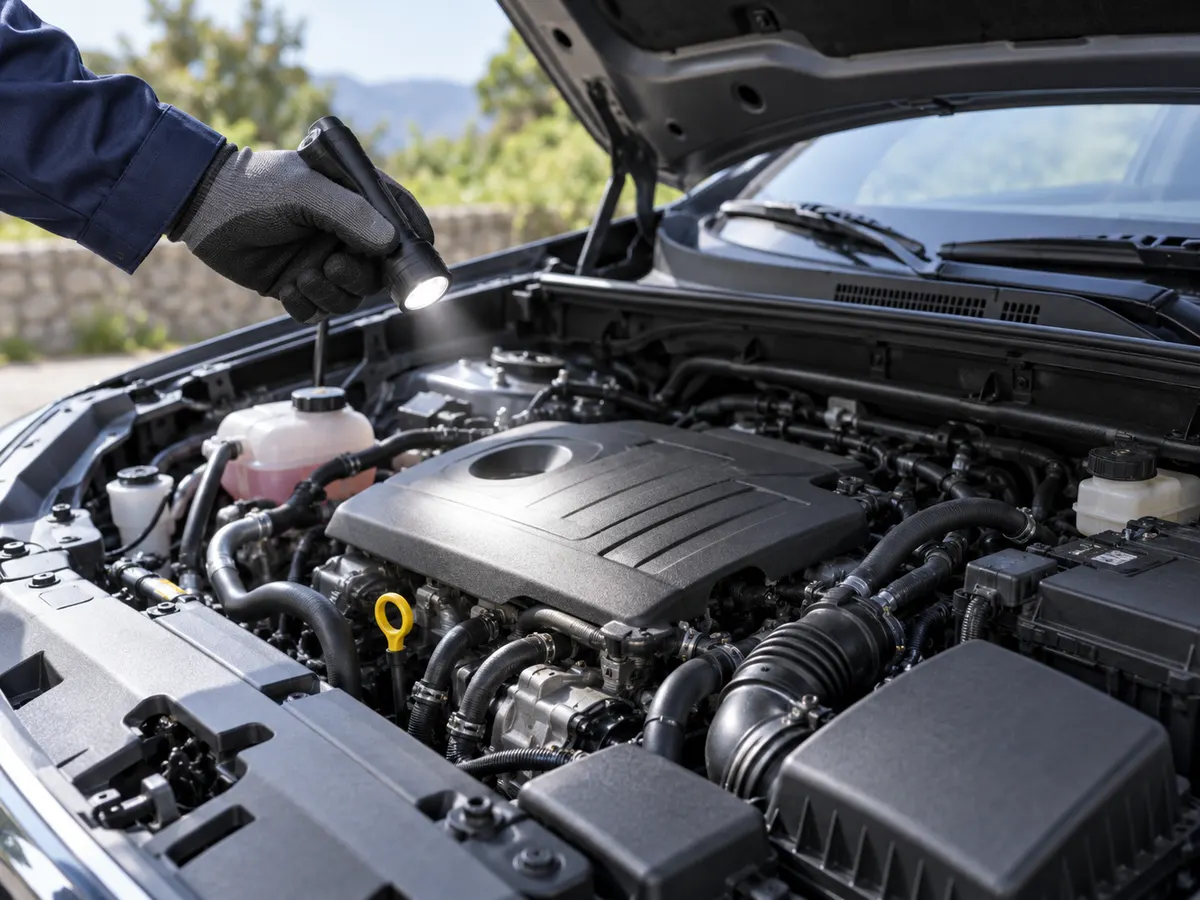
Describe what you found and where
Tell us whether you noticed nesting material, droppings, an unusual smell, or another visible concern, and identify where it appears. Share which areas can be seen without moving parts and any access details that may affect the review. A clear description helps the team assess the request before preparing a quote.
Do not assume that every space around the engine can be reached. The service is limited to accessible areas. If contamination is behind or beneath parts that would need to be removed, those areas cannot be cleaned as part of this detailing work.
Understand the no-disassembly boundary
No engine-bay parts, bolts, or nuts are removed. Areas that cannot be reached without removing parts remain outside the cleaning scope. The team can confirm what is accessible and what work the quote covers after reviewing the information you provide.
This service is detailing, not mechanical diagnosis or repair. If you have a warning light, damaged wiring, a vehicle fault, or another mechanical concern, have a mechanic assess that issue. Cleanup does not establish whether the vehicle is mechanically safe or repair damage.
Share location and parking information
Rodent cleanup is a regular request around Boston’s South End and Back Bay. The same access limits apply wherever service is requested. Explain where the car is parked, whether the area is safe and permitted for work, and whether the doors and work area can remain accessible.
The compact van brings water and power and can park in front of, behind, or beside the car. A driveway is not required, but the setup needs room for the doors to open freely and permission to work at the location.
Request a scope review before an appointment
Include the vehicle type, town, visible signs, affected areas, and any concern about access. If you are unsure whether you need routine engine-bay detailing or rodent cleanup, say what you observed so the request can be directed for review.
A quote is confirmed before an appointment is arranged. It describes the accessible work that can be done; it does not promise that hidden areas will be reached or that mechanical issues will be resolved.
Separate appearance care from mechanical work
Engine-bay detailing is cleaning of suitable, accessible surfaces; it is not diagnosis or repair. Dust and light surface residue may fit an appearance-service request. A warning light, noise, fluid loss, overheating, damaged wiring, fuel smell, or burning odor belongs with a qualified automotive technician. A clean-looking compartment does not prove the vehicle is mechanically sound.
If your goal is to find the source of a leak or check whether a component works, arrange mechanical inspection first. Cleaning can remove residue that a technician may need to see. Describe the symptom and ask the repair professional how to proceed before scheduling detailing. Keeping these scopes distinct helps the right person handle each concern.
A visual review defines suitable access
A detailer can review visible condition, access, and obvious reasons to limit work. The engine should be cool, and the surfaces must be suitable for the proposed method. Modifications, exposed filters, loose connections, recent repairs, or nonstandard equipment are important to mention. A review may show that some areas should be left alone or that a mechanic should inspect the vehicle first.
Visible access is not permission to reach under every component. Some spaces require removing covers or parts, which is outside routine cleaning. Ask which accessible surfaces the service includes and what will be excluded. A responsible scope describes the work clearly instead of promising a fully restored bay regardless of design and condition.
Do not remove or loosen components
Routine cleaning should not require disconnecting wires, moving hoses, removing shields, or loosening fasteners. Disassembly needs appropriate tools and vehicle-specific procedures and may affect operation or warranty. If a component must be removed for inspection, have a qualified technician advise you. Do not attempt a pre-cleaning teardown to make the area easier to reach.
Tell the team if someone has already removed a part or if a repair is underway. Do not expect a detailing appointment to reinstall components or verify a repair. Keeping the parts in place lets the provider assess the ordinary accessible cleaning scope while preserving mechanical work for a technician.
Avoid indiscriminate spray and harsh chemicals
An engine compartment contains electronics, sensors, belts, finishes, and materials that differ across vehicles. High-pressure spray, soaking, harsh degreaser, or household dressing can create damage or residue. Do not apply an internet recipe to a different vehicle while waiting for service. If you have already used a product, share its name and where it was applied.
Ask what controlled method the service uses and which areas are protected or avoided. The proposed approach should account for the actual car and manufacturer guidance. A detailing service should not claim that one method is safe for every engine bay. If the explanation is unclear, request more detail before approving work.
Treat fluid residue as information for a mechanic
Oil, coolant, fuel, and other residue may be associated with a mechanical issue or prior service. Appearance alone cannot identify its source. Note where you saw it, when it appeared, and any changes in warning lights or fluid levels, then tell a technician. Do not ask a detailer to erase a possible leak before it has been reviewed.
If a mechanic confirms an old, harmless spill and the vehicle is suitable for cleaning, share that assessment. If fluid is active or the source is uncertain, resolve the mechanical concern first. Detailing can clean accessible surfaces but cannot establish that a leak has been repaired or that the engine is safe.
Handle rodent evidence as a separate concern
Droppings, nesting material, chewed insulation, or a strong animal odor are not ordinary engine-bay dust. Avoid touching, brushing, or blowing material into the air. Keep children and pets away and describe the condition from a safe distance. A photo may show where it is, but cannot establish how extensive contamination or damage may be.
Rodent cleanup can need specific protective procedures or another provider. Chewed wiring and damaged hoses need a mechanic’s attention. Ask which surfaces, if any, fit detailing and which issues require remediation or repair. Do not assume an appearance service certifies the vehicle as safe or restores damaged components.
Prepare vehicle details and a safe location
Share the year, make, model, modifications, recent repairs, and any visible symptoms when requesting a quote. The vehicle should be cool and safely parked. For mobile service, the van brings water and power, but it needs permitted access close to the car and space to work around it. Check garage clearance and property rules in advance.
Keep pets and children away from the work area and remove loose items nearby. Do not pre-wash, disconnect a battery, or cover components unless a qualified professional has advised you. Disclose a warning light or leak so the team can decide whether appearance work is appropriate or a mechanical check should come first.
Ask what the service does not include
A clear quote should state that the service is cleaning and identify accessible surfaces, exclusions, and any conditions that would cause work to stop. Confirm that diagnosis, repairs, component removal, and rodent remediation are separate. Ask what the team will do if on-site review reveals a condition that was not visible in your description.
The result depends on residue, age, corrosion, and access. Some surfaces may remain untouched, and cleaning will not make an older bay factory-new. If you need mechanical work as well, schedule it separately and share relevant findings with the detailer once the vehicle is appropriate for appearance care.
Review the booking sequence
A website form requests a quote; it does not automatically book a visit. The team reviews your information and follows up about safe scope, price, and location. Ask questions until you understand the proposed cleaning. If the vehicle has a symptom or contamination issue, explain it before setting a time.
A deposit is required before an appointment is booked. Review the amount and appointment terms before payment, then keep the confirmation. If a warning light, leak, or repair arises before the visit, notify the team. The plan can be reconsidered when the vehicle’s condition changes.
What a visual inspection can tell you
A careful visual review can identify accessible surfaces, obvious obstructions, modifications, and visible conditions that may make cleaning unsuitable. It cannot test every sensor, diagnose a leak, or evaluate components hidden beneath covers. Tell the provider what you noticed and ask whether the appearance scope can proceed safely without moving parts.
If an inspection reveals a loose wire, damaged hose, corrosion, or active fluid, pause and consult a technician. A detailer should not guess that the condition is harmless. Cleaning is most appropriate after concerns that could affect safety or operation have been resolved by the right professional.
Keep records of recent maintenance
If the vehicle recently had work performed, share what was repaired and when. A mechanic may have left a harmless spill or may still need to inspect an area. Knowing that history helps the detailer avoid confusing a fresh service mark with ordinary dirt or erasing evidence relevant to a repair follow-up.
If you have a service receipt or technician guidance about what may be cleaned, keep it available. Do not assume that a recent repair means every surface is ready for detailing. The actual condition and the mechanic’s advice should guide whether the work proceeds.
Understand what “accessible” means
Accessible means a surface can be reached using the agreed cleaning method while components remain installed and the vehicle stays in its normal state. It does not mean every recess beneath wiring, a cover, or a moving part can be cleaned. The detailer should explain any areas excluded because reaching them would require disassembly or additional risk.
Ask for the included areas in plain terms, such as visible covers or reachable surrounding surfaces. This is more useful than assuming a complete engine-bay restoration. A clear boundary helps you understand the result and keeps repair work with an automotive technician.
Keep appearance claims separate from a vehicle inspection
A clean engine bay may look better, but it does not confirm fluid levels, electrical function, belt condition, or roadworthiness. If you are preparing to sell a car, do not describe detailing as a mechanical inspection. Buyers who need confidence in the vehicle should arrange an independent inspection with a qualified technician.
Likewise, visible dirt alone does not mean the engine needs repair. Ask the right professional based on your concern. Detailing addresses appearance within its scope; diagnosis and repair require separate expertise and authorization.
Questions to ask before approving engine-bay cleaning
Ask whether the vehicle must be fully cool, which surfaces are reachable without moving parts, and which materials or electrical areas will be avoided. Confirm whether the scope includes only visible dust and residue or also a specific accessible cover. If the provider cannot explain what is included, ask for a clearer description before authorizing service. Those questions help you understand the boundary between appearance work and mechanical access.
Also ask what would cause the team to stop after opening the hood. A visible leak, loose wire, rodent nest, recent repair, or aftermarket modification may change the plan. Get the answer before the vehicle arrives at the work area. Agreeing on a pause point protects the vehicle and avoids an unexpected change in scope or price.
Understand why an engine bay may stay partly untouched
An engine compartment is designed around function, heat, and access, not easy cosmetic cleaning. Covers, narrow gaps, wiring, and hoses can limit safe reach. A professional may intentionally leave a protected area untouched instead of forcing a tool behind a component. That choice is consistent with a limited cleaning service and should be described clearly in the quote.
A remaining dusty spot does not automatically mean the service was incomplete if that area was excluded for access or safety. If a particular surface matters to you, name it before work begins and ask whether it can be reached appropriately. A technician can advise if a component must be removed for repair or inspection.
Decide when mechanical service should come first
Mechanical evaluation should take priority when the car has warning lights, new sounds, smoke, overheating, a fluid leak, or damaged components. Do not use a detailing visit to test whether a symptom goes away after cleaning. The right technician can diagnose the cause, determine whether a repair is required, and tell you when the area can be cleaned.
After repair, keep the service information and follow any instructions about curing, residue, or when the engine may be washed. Share those details with the detailer before requesting appearance work. This sequence keeps mechanical decisions grounded in inspection and helps a later cleaning scope avoid repaired or sensitive areas.
What to remember
- Describe visible signs and their location.
- Accessible areas only; no parts, bolts, or nuts are removed.
- Inaccessible areas cannot be cleaned.
- Mechanical concerns belong with a mechanic.