
Engine-Bay & Rodent Cleanup
What Does Routine Engine-Bay Detailing Include—and What Is Mechanical Work?
Engine-bay detailing is surface cleaning, not a repair service. Before requesting a Boston quote, identify the reachable areas you want cleaned and separate cosmetic buildup from warning lights, damage, or other mechanical concerns.
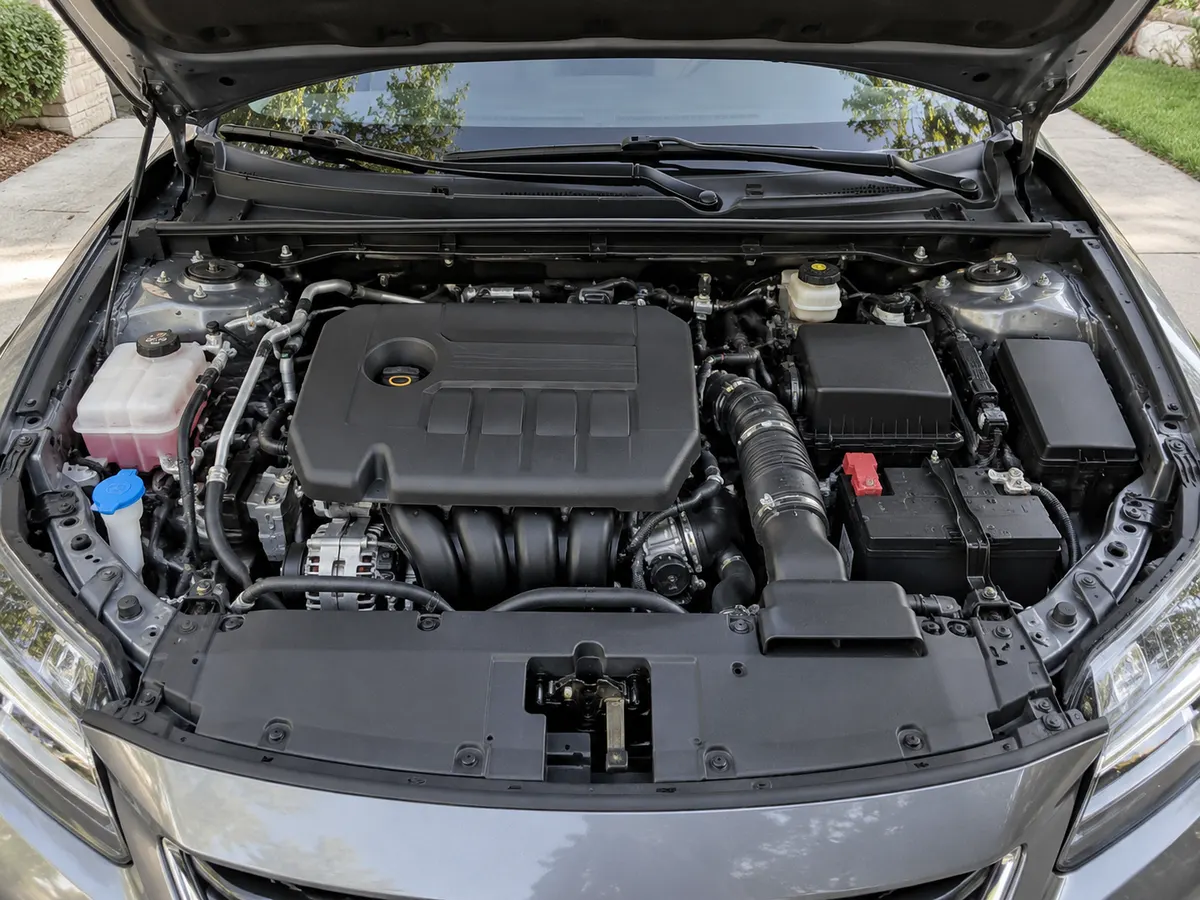
Keep the request to reachable surfaces
Routine engine-bay detailing focuses on accessible surfaces. Describe which areas you can see and what condition concerns you. The service is limited to work that can be reached without removing engine-bay parts, bolts, or nuts.
Areas that cannot be reached without removing parts cannot be cleaned. The quote should make the access limit clear, so the scope does not imply that the entire compartment will be treated or that hidden areas will be addressed.
Separate detailing from diagnosis or repair
Detailers are not mechanics. Engine-bay cleaning does not diagnose a warning light, leak, damaged wiring, or a mechanical fault, and it does not repair those issues. If you have a vehicle-performance or safety concern, have a mechanic assess it separately.
Mention known damage or mechanical concerns when requesting a quote so the service team understands the context. That information does not turn detailing into an inspection or repair; it helps clarify what work is being requested and what remains outside the scope.
Rodent contamination needs a separate review
If you have seen nesting material, droppings, or another sign of rodents, say so. Rodent cleanup receives its own assessment because contamination and accessible areas need to be reviewed before the work is confirmed.
The same no-disassembly boundary applies: no parts, bolts, or nuts are removed, and areas that cannot be reached without removing parts cannot be cleaned. Describe visible signs and their location so the quote can address the appropriate request.
Include your location and access plan
The compact van carries water and power and can park in front of, behind, or beside your car. A driveway is not required. The location must allow safe, permitted access and room for the doors to open freely.
Tell us your town, vehicle type, visible areas, and any parking or property rules. The team reviews the details and confirms the quote before arranging an appointment.
Decide whether the goal is appearance or function
Routine engine-bay detailing cleans suitable accessible surfaces. Mechanical service diagnoses and repairs vehicle operation. Dust or light grime may fit a cleaning discussion; warning lights, unusual noise, burning odor, fluid loss, or overheating should go to a qualified technician. A clean compartment does not establish that the car is mechanically sound.
If you want to find a leak or check a component, arrange inspection first. Cleaning can remove residue that helps a mechanic understand a problem. Describe the symptom and ask the repair professional whether appearance work should wait. Keeping the scopes separate helps each provider do the right job.
Know what an ordinary engine-bay detail may include
A scoped service may clean suitable reachable covers and visible surfaces in a cool bay. Exact areas vary by design and condition. Routine detailing does not normally remove components, disconnect wiring, or open sealed systems. Ask which accessible parts are included and what the team plans to leave alone.
Some areas cannot be reached safely without disassembly, and certain surfaces should not be exposed to liquids or chemicals. A provider may decline a task that is unsuitable. Appearance cleaning is not diagnosis, repair, or a promise that every part will look new.
Share warning signs and existing damage
Mention an active leak, frayed wire, loose connector, cracked hose, warning light, recent overheating, or repair in progress. Do not touch hot parts or move components to inspect them. A mechanic should review possible functional or safety problems before an appearance service is arranged.
A detailer may limit or postpone work if visible conditions make cleaning unsuitable. This is not a diagnosis. Aftermarket intake, alarm, audio equipment, or prior modifications can change access. Share known changes so the team can review scope before arrival.
Leave components and fasteners in place
Routine detailing is not a reason to remove covers, hoses, shields, or filters. Disassembly requires vehicle-specific procedures and may affect operation or warranty. If something needs removal for inspection or repair, have a qualified technician advise you. Ask whether inaccessible areas are simply excluded from the cleaning scope.
Do not unplug electrical connections or loosen parts before the visit. If something has already been removed, tell the team and do not assume installation is part of detailing. These boundaries keep an appearance service from crossing into work it was not arranged to perform.
Use controlled cleaning methods
Engine compartments contain electrical parts, sensors, belts, and different finishes. High-pressure spray, soaking, harsh degreasers, and indiscriminate dressing can create damage or slippery residue. Do not apply a generic online recipe to your vehicle. Identify products already used and ask the team what method is proposed.
The approach should match the vehicle and focus on appropriate accessible surfaces. Ask what areas will be protected or avoided and whether the engine must cool for a certain period. If the explanation is unclear, get details before agreeing to work.
Treat fluid residue as a mechanical clue
Oil, coolant, fuel, or other fluid may indicate a leak or a prior service spill. Appearance alone cannot establish the source. Note where it appears, when it began, and any change in levels or dashboard warnings, then tell a technician. Do not erase possible evidence before it is reviewed.
If a mechanic confirms an old spill is harmless and the vehicle is suitable for cleaning, share that information. An active or unexplained leak should be addressed first. Detailing can clean reachable surfaces but cannot certify that a repair is complete.
Handle rodent evidence as a specialty concern
Droppings, nesting material, chewed insulation, and animal odor are not ordinary dust. Avoid touching, brushing, or blowing material into the air. Keep people and pets away and describe the condition from a safe distance. A photo cannot reveal the full contamination or damage.
Rodent cleanup may need specific protective procedures or a different provider. Chewed wiring and hoses require mechanical attention. Ask which, if any, surfaces fit detailing and which need remediation or repair. An appearance service does not certify vehicle safety.
Prepare the vehicle and mobile location
Share year, make, model, modifications, recent repairs, and symptoms when requesting a quote. The engine should be cool and the car in a safe, permitted place. The mobile van brings water and power, but needs access near the vehicle and space to work. Check garage clearance and lot rules.
Keep children and pets away and remove loose items around the car. Do not pre-wash, disconnect a battery, or cover components unless a qualified professional directs you. Disclose leaks or warnings so the team can decide if the requested cleaning is suitable.
Read the scope and booking terms
Confirm that the quote describes cleaning, lists accessible surfaces, and excludes diagnosis, repair, disassembly, and remediation unless separately agreed. Ask what happens if the on-site review finds a condition not visible in your notes. A clear estimate names limits and conditions.
A form submission is not an appointment. The team follows up about safe scope, price, and location. A deposit is required before an appointment is booked. Review its amount and terms, retain the confirmation, and notify the team if vehicle condition changes.
Use the owner’s manual for routine checks
Vehicle makers provide guidance on routine maintenance and safe checks. Follow the owner’s manual and do not open hot systems or touch moving parts. If you see a dashboard warning or fluid change, arrange the recommended mechanical service before appearance cleaning.
An engine detail is not a maintenance inspection and does not replace oil, coolant, filter, belt, or battery service. Keep records of maintenance and share relevant notes when requesting appearance work. A technician can answer functional questions the detailer cannot.
Do not use cleaning to hide a problem before sale
Cleaning can improve presentation but should not be used to conceal a leak, corrosion, damaged wire, or other concern from a buyer or mechanic. If a problem is visible, have it reviewed and describe any repair accurately. A clean bay is not proof of vehicle condition.
If preparing a car for sale, keep maintenance records and disclose known issues according to applicable requirements. A detailer can clean suitable surfaces within scope; a qualified mechanic or inspection service can assess operation and safety.
Ask about sensitive finishes and modifications
Aftermarket components, exposed filters, decorative covers, custom wiring, and nonstandard finishes can affect access and cleaning choices. Identify modifications you know about and point out areas you want left untouched. Do not assume a method used on a stock vehicle is suitable for your setup.
If the vehicle has a performance modification or recent installation, ask the installer or manufacturer for cleaning guidance. Share that guidance with the detailer. When access or material safety is uncertain, limiting the scope is preferable to experimenting.
Document the agreed work and exclusions
Before a visit, keep the quote that states surfaces included, method, price, and limits. Confirm whether the service excludes disassembly, repair, leak cleanup, or rodent remediation. Written details are helpful if the vehicle has a recent repair or unusual condition.
After service, ask which areas were cleaned and whether any visible condition requires mechanical follow-up. This is information about the cleaning scope, not a vehicle inspection. If a warning or leak appears, contact a technician rather than relying on a detailer’s appearance work.
Protect the work area and everyone nearby
Park on a stable, permitted surface and keep children and pets away from the open hood and equipment. Let the engine cool before service and follow any access instructions. Do not run the vehicle during cleaning unless the provider and manufacturer specifically direct it.
If the location is a garage or shared lot, confirm permission and ventilation rules. The team can review whether the space allows safe access. If the area is cramped, blocked, or unsafe, identify another spot before an appointment is confirmed.
Use warning indicators as a reason to pause
A dashboard warning light, temperature alert, smoke, burning odor, or sudden loss of power calls for mechanical guidance. Do not schedule appearance cleaning as a test or continue driving solely because the engine bay looks clean. Follow the vehicle manual and contact a qualified service provider.
Once the issue is diagnosed and repaired, ask the technician if any area should remain untouched or if a cleaning is appropriate. Share that advice with the detailer. A clear sequence helps prevent an appearance service from interfering with diagnosis or repair.
Keep receipts and maintenance records
Record when a repair, fluid service, or component replacement took place. A receipt may explain fresh residue or indicate that an area should not be cleaned yet. Share relevant information instead of expecting a detailer to infer what happened from appearance alone.
Maintenance records also help distinguish routine cleaning from a concern that returns after a repair. If fluid or odor reappears, contact the technician who performed the work. A detailing visit cannot verify a repair or warranty.
Make a separate request for functional inspection
If you want someone to check a belt, battery, hose, filter, sensor, or wiring, book an automotive inspection with a qualified technician. State the symptom and ask what diagnostic work is needed. A detailer may clean around accessible components but does not perform a mechanical inspection as part of appearance care.
When both services are planned, coordinate the order with the repair provider. It may be better to diagnose or repair first and clean afterward. Confirm the boundary of each quote so no one assumes the other service includes the work.
Aftercare and follow-up belong to the right provider
After engine-bay cleaning, follow the detailer’s instructions about when to operate or inspect the vehicle. If a warning light, unusual sound, or fluid appears, contact a mechanic promptly and describe the timing. Do not assume the cleaning caused or resolved a functional issue without diagnosis.
For a repair concern, keep the technician’s findings and service record. For an appearance concern, keep the detailing scope and note which surfaces were cleaned. Separate records make it easier to determine who should answer a follow-up question and what work was actually performed.
What to remember
- Routine engine-bay detailing covers accessible surfaces.
- No parts, bolts, or nuts are removed.
- Detailers do not diagnose or repair mechanical issues.
- Describe rodent signs separately for an individual review.