
Interior Car Detailing
Should You Vacuum or Request a Deeper Interior Detail?
A quick vacuum can help with loose crumbs and dust, while a deeper interior detail addresses more of the cabin. For Boston drivers, the useful question is not whether a car looks perfect; it is which surfaces and concerns should be included in the requested scope.
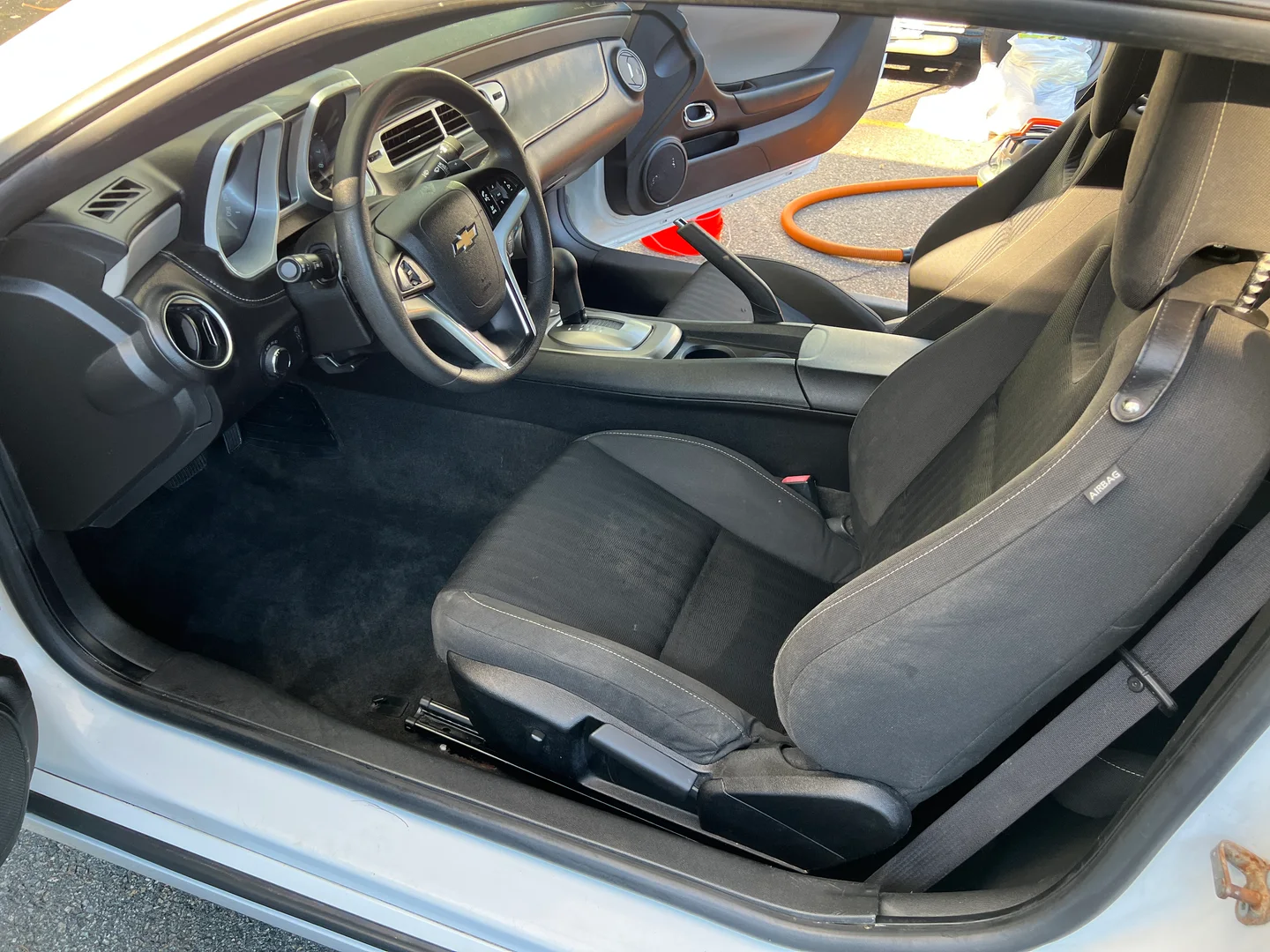
Think about the whole cabin, not just the floor
Loose debris on mats or carpets may call for a simple tidy-up. When buildup also covers seats, door panels, cup holders, and other surfaces, a fuller interior service may be a better fit. Interior detailing can include thorough vacuuming, surface cleaning, steam treatment, minor-stain attention, leather care, and interior glass.
Consider how the cabin is used and which areas matter most to you. A family vehicle, commuter car, or weekend vehicle may have different priorities. You can request focused attention for particular seats or surfaces and ask what additional work makes sense for the condition you describe.
Tell us about stains, odors, and pet hair
A routine interior detail may not describe every specialty concern. Mention embedded pet hair, a persistent odor, visible mold, or upholstery that needs extraction when you request a quote. These concerns can call for a separate assessment or added scope, so listing them early helps avoid treating them as an ordinary vacuuming request.
Point out where a stain or odor is noticeable and which materials or sections are affected. Share any relevant spill, moisture, or treatment history you know. The team can then review the condition and confirm what the quote includes; no single cleaning description guarantees that every mark or smell will disappear.
Keep the location and access practical
Mobile service means the car can stay at home or work while it is cleaned. The van carries water and power and can park in front of, behind, or beside the car. A driveway is not required, but the setup must allow safe, permitted access and enough space for the doors to open freely.
If the vehicle is in a managed lot, garage, or street-parking area, mention any restrictions before an appointment is arranged. Clear loose belongings and valuables from the areas you want cleaned, and tell us if anything should remain in the vehicle.
Local context for Somerville and South Boston
Interior and general detailing are a frequent request in Somerville, and interior work is also requested in South Boston. Those local notes do not change the service checklist: the scope still depends on the car and the areas you want addressed.
Request a personal quote for the vehicle and work you have in mind. The form asks for vehicle size and service interest; you can add the affected areas and any special concerns so the quote can be confirmed before an appointment is arranged.
Know what a vacuum can and cannot change
A vacuum is useful for loose, dry debris on accessible carpets, mats, and seats. It can pick up crumbs, dust, leaves, and some surface hair without addressing every part of the cabin. Vacuuming alone does not wash hard surfaces, clean glass, treat leather, or extract a spill from fabric. If the visible problem is limited to a few loose crumbs after a trip, a simple tidy-up may be all you need. If you are requesting professional service, describe the task plainly so the quote does not assume a larger interior detail.
Car interiors have seams, seat tracks, narrow gaps, textured panels, and layered materials. A home vacuum nozzle may not reach around a rail or remove debris held in a crevice. That does not automatically mean the car needs a deep restoration; it means the affected area and desired scope should be described. A detailer can review whether ordinary vacuuming and surface cleaning fit the request or whether the condition calls for focused extraction or another specialty service.
Look across the cabin before choosing a scope
Inspect more than the center of the floor. Check the driver and passenger footwells, beneath removable mats, the rear seating area, cargo space, door pockets, and places where children or pets ride. Note whether seats and touch surfaces also need attention. Interior detailing broadens the work beyond loose debris and may include vacuuming, cleaning hard surfaces, steam treatment, minor-stain attention, leather care, and interior glass, depending on the agreed scope and material.
A vehicle can look dirty in one area and relatively clean elsewhere. You can ask for priorities to be discussed rather than assuming every surface needs the same treatment. Mention any seat that should not be moved, item that must remain, or area that is inaccessible. This helps the team explain what is included and whether a focused job or a broader cabin detail better matches your request. The quote should identify the proposed scope before work begins.
Treat stains as a material and history question
A stain is not just a colored spot. Its location, material, cause, age, and prior treatment all influence what can reasonably be discussed. Water, coffee, food, grease, cosmetics, and dye may behave differently on cloth, leather, carpet, or a plastic surface. Tell the team what spilled if you know, when it happened, whether it dried, and what products were applied. Do not keep adding household cleaners while waiting for a quote; some products leave residue or alter the appearance of a material.
A service description may include minor-stain attention, but that does not promise that every mark will disappear. Deeply set discoloration, wear, fading, and physical damage can remain after cleaning. A close photo can show the size and position of a concern, but it cannot establish how deep the stain is or how a fabric will respond. Ask what the quote includes and what outcome is realistic for the specific area. When material safety or colorfastness is uncertain, assessment matters more than aggressive scrubbing.
Separate pet hair and odor from ordinary debris
Loose hair may lift during vacuuming, while short or embedded hair can cling to carpet loops, seat fabric, seams, and cargo liners. If hair is the main reason for the request, identify the affected rows and whether the vehicle carries pets regularly. Pet-hair removal is a distinct service concern because the time and method can vary with the material and how firmly the hair is embedded. Avoid promising yourself that a standard vacuum pass will remove every strand, particularly from textured carpet or upholstery.
Odor also needs its own description. A vacuum may remove food crumbs or loose debris that contributes to a smell, but it does not identify or guarantee removal of the source. Tell the team whether the odor is tied to a spill, pet, smoke, damp carpet, or something else you have noticed. If moisture or visible mold is involved, mention it separately and share known leak history. The source may need to be addressed before a scent treatment can be meaningfully evaluated.
Consider what a deeper interior detail usually addresses
A deeper interior detail is appropriate to discuss when the goal includes more than loose debris: surfaces need wiping, seats or mats need attention, interior glass is dirty, or the cabin has broad everyday buildup. The service checklist describes the tasks included for the selected package, and the quote confirms the scope for your vehicle. A single appointment can address several ordinary cabin areas, but a specialty issue may still require a separate assessment or added work.
Tell the team which areas matter most and whether the request includes the trunk, third row, child-seat area, or other sections that may not be obvious. Vehicle layout makes a difference: a two-seat coupe and a three-row SUV have different amounts of interior space. Mention heavy soiling, pet hair, large spills, mold concerns, or persistent odor before an appointment is arranged. These details help keep a standard interior quote from being mistaken for a specialty restoration.
Decide whether extraction should be discussed
Extraction uses equipment to work with suitable fabric and moisture, rather than simply lifting dry debris. It may be considered for certain upholstery concerns after the material and condition are reviewed. The presence of a stain does not automatically mean extraction is appropriate; delicate fabrics, prior damage, and drying needs matter. Describe whether the affected area is a seat, carpet, mat, or cargo surface and whether you know what caused the mark.
Ask how the proposed treatment will be handled and what drying expectations apply. Avoid assuming that a wet cleaning step is right for leather, electronics, foam, headliners, or every type of upholstery. A professional should explain what can be safely addressed within the service and where limitations apply. If the requested work involves only loose surface debris, extraction may add an unnecessary step. If the concern is embedded or liquid-based, it is worth asking whether a separate extraction assessment fits.
Choose based on condition, not on an idealized before-and-after
A clean-looking promotional image cannot predict the result for your own seats or carpet. Materials age, stains set, and previous repairs leave different starting points. Think about what would make the visit worthwhile: cleaner floors, refreshed touch surfaces, less loose hair, or attention to a named spill. Share that goal and ask which part of the service can address it. This encourages a practical scope instead of an unrealistic promise that the cabin will look factory-new.
If the car has visible wear, fraying, faded sections, cracked leather, or a persistent odor, mention those facts. Cleaning can remove some soils but does not replace worn material or repair a leak. A quote should focus on the work that can actually be performed and explain when a concern is outside routine detailing. This is especially useful for older vehicles, daily family cars, and work vehicles that have accumulated several kinds of use over time.
Share a clear interior request for a better quote
A useful request identifies the vehicle, the areas to clean, and the concerns that may need special attention. For example, say that the second-row cloth seats have a dried drink spill and that pet hair collects in the cargo area. Add the town and parking arrangement so the mobile setup can be reviewed. You do not need to write a long story, but exact locations and relevant history help the team prepare a meaningful answer.
Remove loose belongings from the requested areas, confirm permission for work at the property, and allow room for the van and open doors. The team brings water and power, so no driveway is required, but safe, permitted access is. Compare the final quote with the list of work discussed. If the price or scope is unclear, ask before approving a deposit or appointment. A vacuuming request and an interior detail can overlap, but clear language keeps the expected work aligned.
Check small areas that are easy to overlook
A quick look under removable mats, along seat tracks, inside door pockets, and around the cargo threshold can show whether loose debris is the only issue. Do not reach beneath powered seat mechanisms or move a seat if an object could obstruct the track. Mention these areas in your request, especially if crumbs or hair are concentrated in one row. A focused description helps the team distinguish ordinary vacuuming from broader interior attention.
Hard surfaces also collect fingerprints and residue that a vacuum cannot address. If you want cup holders, console, door panels, or interior glass cleaned too, say so. A service package may include some of these tasks and exclude others. Check the written scope rather than assuming that “interior” means every material and compartment is treated.
Think about how the cabin will be used afterward
If you have a long drive, school pickup, or pet trip coming up, identify the timing and the parts of the cabin that matter most. The team can explain what can be completed in the agreed visit and any drying or access considerations. Avoid promising yourself that every old mark will disappear; set priorities around cleanliness, comfort, and the actual condition of the materials.
After a detail, allow surfaces to dry as instructed and return belongings only when the work area is ready. If a concern remains, point to the agreed area and ask the team to review it. Clear communication is easier when the request and quote identified the same surfaces before the service.
What to remember
- Loose debris only may need a different scope from a full cabin clean.
- Mention pet hair, stains, odor, mold, or extraction needs.
- Clear personal belongings from the areas you want cleaned.
- Describe parking access and any property restrictions.