
Interior Car Detailing
Interior Detailing for Sedans, SUVs, and Family-Use Cars
A sedan, a two-row SUV, and a family vehicle can all need interior detailing, but the useful scope is shaped by more than the badge on the trunk. Seating layout, cargo use, daily passengers, materials, and the condition of each area matter. This guide explains what to review before requesting interior detailing from Boston Mobile Car Detailing, what routine cabin work may address, and which concerns should be discussed as separate services. It does not assign a fixed package or promise a particular result from a vehicle type alone; the team reviews the actual cabin and confirms the work in your quote.
Start with the cabin you have, not a generic size label
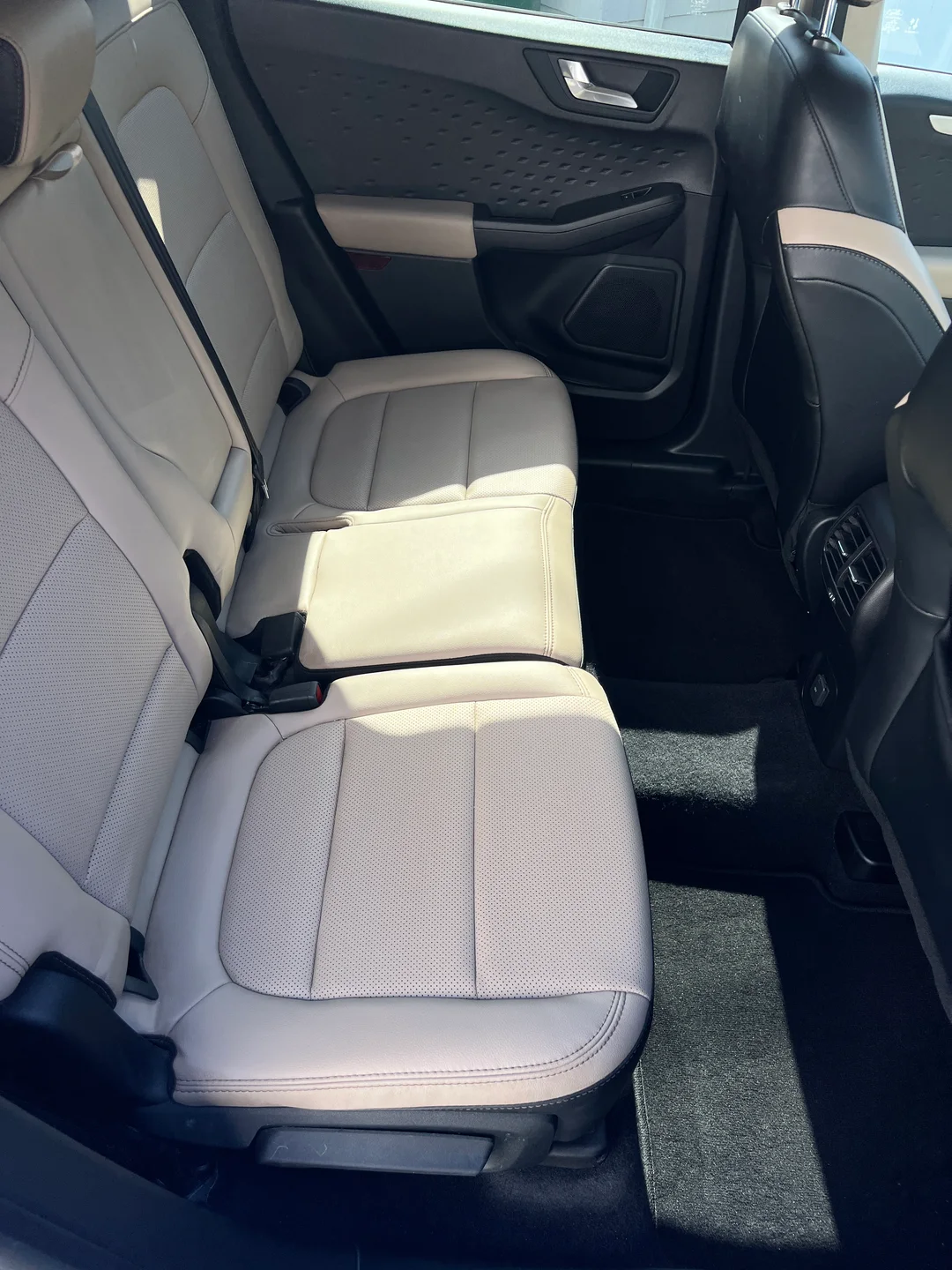
Vehicle labels are helpful, but they do not fully describe the work inside. A compact sedan may have tight seat rails, a separate trunk, and a small rear footwell that collects debris in narrow edges. A two-row SUV may have a larger cargo floor, folding seatbacks, deeper door pockets, and more exposed trim. A three-row vehicle adds another passenger area, more seams, and additional access questions. Tell the team the year, make, model, body style, and whether every row and cargo area is part of your request.
Then describe how the cabin is used. A lightly used commuter sedan is different from the same model carrying children, pets, work equipment, or rideshare passengers. A large SUV is not automatically the harder job if it is kept clear and receives regular care. Condition and requested scope matter alongside size. Note which places collect the most crumbs, dust, mud, hair, or spills so the quote can reflect the actual priorities instead of relying only on a broad vehicle category.
What routine interior detailing can focus on
The current interior detailing service focuses on accessible cabin areas such as seats, carpet, floor mats, the trunk or cargo area, and frequently used hard surfaces. The listed work includes vacuuming accessible carpet, mats, seats, and cabin crevices; cleaning the dashboard, console, and door panels; and cleaning interior glass. Steam treatment, minor-stain spot treatment, leather cleaning and conditioning, and interior UV protection are used when suitable for the material and agreed scope.
Those inclusions describe a starting point, not permission to assume that every surface receives the same treatment. Fabric, leather, coated trim, screens, glossy panels, and damaged materials can require different handling. Accessibility matters too: belongings, installed equipment, fixed trim, and tightly enclosed areas can limit what can be reached. The team reviews the cabin condition and priorities before confirming the work. Ask which rows, storage spaces, and cargo sections are included if any area matters especially to you.
Sedans: pay attention to footwells, seat tracks, and the trunk
In a sedan, the cabin and trunk are usually distinct spaces. The driver footwell may collect grit and road residue, while debris can gather around the front seat rails and beneath the rear-seat edge. Rear seating may look lightly used until the seat seams, door pockets, and carpet below are examined. Walk through both rows when making your list. Mention a frequently used passenger seat, a coffee spill beside the console, or a rear floor area affected by wet shoes rather than describing the entire interior as simply dirty.
Do not forget the trunk when it is part of the problem. Grocery residue, sports gear, tools, strollers, and leaking containers can affect the trunk floor or side panels even when the passenger area is tidy. The interior service page identifies the trunk area as one of the accessible spaces that may be considered, but it should still be named in the request. Remove loose belongings and valuables from the areas you want cleaned, and say if an organizer, spare-tire cover, or other item must remain in place.
Two-row SUVs: include the cargo area and folding surfaces
A two-row SUV often combines passenger and cargo use in one open cabin. Dirt from shoes, pet travel, groceries, outdoor gear, and folded rear seats can move between sections. Check the rear seatbacks, the cargo floor, the lip near the liftgate, and the spaces around movable seat hardware. If the second row is regularly folded, explain whether you want the exposed seatbacks and the cargo area reviewed together. This gives the team a clearer picture than requesting an SUV detail without mentioning how the space is used.
Cargo covers, liners, pet barriers, and storage bins may block areas that need cleaning. Decide what you can remove before the visit and identify anything that should stay installed. Boston Mobile Car Detailing asks customers to clear personal belongings from requested work areas and to explain items that must remain. The team can clarify which surfaces will be accessible. Avoid assuming that a larger opening makes every edge reachable; narrow tracks, fixed panels, and installed accessories can still limit access.
Three-row and family-use vehicles: describe every active zone
For a three-row SUV or minivan, say whether the third row is normally raised, folded, or rarely used. A folded row can hide debris along hinges and seams, while an active third row adds footwells, cup holders, belts, trim, and passenger touch points. Tell the team which configuration they should expect and whether the cargo area behind the third row also needs attention. Vehicle layout and a heavily used trunk are among the factors the live service page says can change the time and scope.
Family use is best described by zones rather than a vague request for a deep clean. You might identify the driver area, one child-seat position, the rear floor, and the cargo space as the main priorities. Note recurring crumbs, muddy entry points, sticky cup holders, or marks on seatbacks. This does not mean every issue requires a specialty service. It means the quote can distinguish broad everyday buildup from a particular fabric, hair, odor, or moisture concern that deserves a separate assessment.
Child seats and installed equipment need a clear access plan
If child seats or other installed equipment will remain in the vehicle, tell the team before the appointment. The interior service guidance says customers may leave preferred equipment installed and should identify the areas beneath or around it that are inaccessible. Do not assume a detailer will remove, reinstall, or verify a safety seat as part of routine cabin cleaning. Decide how you want the equipment handled and confirm the boundary in advance so no one has to improvise once the visit begins.
The same principle applies to mobility devices, cargo dividers, work racks, electronic accessories, and organizers. Remove loose items and valuables, but do not dismantle secured equipment merely to make the vehicle appear ready. Explain what is fixed, what you can move, and which surrounding areas matter. If access is limited, the team can tell you what can reasonably be reached in the agreed service. Afterward, the owner remains responsible for checking and using installed safety equipment according to its manufacturer instructions.
Fabric spills and extraction are not the same as routine spot treatment
A routine interior detail lists minor-stain spot treatment when suitable, but a soaked seat, large spill, or fabric area needing a deeper process may call for upholstery extraction. When you describe a mark, identify the material and exact location, what caused it if known, approximately when it happened, and anything already applied. A small surface mark and a drink that penetrated a seat cushion do not present the same condition, even when both are called stains in casual conversation.
The separate upholstery extraction service reviews affected seats, carpets, or mats, selects cleaning and extraction suited to the material, and discusses drying expectations. No fabric or stain result should be assumed in advance. Age, cause, previous products, material condition, and moisture can all affect the assessment. If the area is still damp or visible mold is present, do not present it as an ordinary stain; report the moisture history so the team can direct the request to the appropriate service.
Pet hair should be described by material and location
Loose hair on a smooth surface and hair embedded in carpet are different workloads. Check the pet’s usual seating area, seat seams, carpet, floor mats, cargo panels, and the edge where the rear seat meets the floor. State whether hair is limited to one row or spread throughout the cabin. The pet-hair removal page treats embedded hair as targeted work and asks where it is most noticeable, how much of the cabin is affected, and whether related staining or odor is also present.
Heavy or embedded pet hair is not automatically included in every routine interior detail. Mention it before the quote so the team can decide whether a separate pet-hair removal scope or additional attention is needed. Do the same for pet-related stains or smells; hair removal alone does not define those concerns. For ongoing use, ask whether regular interior care or a maintenance option could help keep loose buildup manageable, but confirm what each visit includes rather than assuming recurring service repeats a specialty removal.
Persistent odor, dampness, and visible mold need separate review
An odor can come from upholstery, a spill, moisture, personal items, or another source that routine surface cleaning may not resolve. Describe what the smell resembles, where it seems strongest, when it began, and whether it changes after rain or when the ventilation runs. The car odor removal service is a separate assessment based on the suspected source and affected area. It does not promise that a smell will never return, especially when an unresolved source remains.
Visible mold, recurring dampness, soaked upholstery, or suspected water beneath cabin surfaces should be identified as a mold concern. The live mold-removal page recommends an in-shop assessment for more thorough remediation. Mobile mold-related work is limited to suitable accessible surface cleaning and surface-level water extraction; it does not provide a full interior teardown, inspect behind fixed trim, or guarantee complete removal. Active leaks, HVAC concerns, and other hidden or mechanical sources may require an appropriate automotive or restoration specialist.
Choose interior-only or full detailing by the work you want
Interior detailing is the clearer starting point when the cabin is the priority. If you also want the outside hand washed, wheels and tires cleaned, accessible jambs addressed, and suitable finish-care steps reviewed, compare the full interior and exterior detailing service. A full detail combines both sides of the vehicle, but it does not automatically absorb every specialty cabin concern. Paint correction, mold remediation, heavy odor treatment, upholstery extraction, pet-hair removal, and engine-bay rodent cleanup remain separate assessments.
Use the quote to make the boundary explicit. List the inside areas that matter, then state whether exterior care is also wanted. If your sedan cabin needs routine attention but the exterior does not, a full detail may add work you did not prioritize. If a family SUV needs both a cabin reset and outside care, a combined request may be practical. In either case, confirm the written tasks instead of choosing by package name alone.
Prepare a useful quote request for a Boston mobile visit
Include your vehicle year, make, model, body style, number of rows, and the town or neighborhood where it will be parked. List the two or three cabin areas that matter most. Mention the trunk or cargo area, installed child seats, delicate material, pet hair, spills, odor, moisture, visible mold, or previous treatment when relevant. Photos can help show a visible area if requested, but they cannot reveal hidden conditions or guarantee how a material will respond.
For mobile service, describe the parking setup and any building, garage, street, office, or shared-lot restrictions. The van brings water and power, but it still needs safe, permitted access close to the car and enough room to open doors. Boston Mobile Car Detailing serves Boston and listed nearby communities, but the actual address and access must be confirmed. Requesting a quote starts a conversation; it does not reserve an appointment. Review the proposed scope, timing, and terms before treating a date as booked.
Use maintenance as a condition-based decision
After a more complete cabin service, recurring care may help manage ordinary dust, crumbs, and tracked-in dirt. Maintenance plans are available monthly, every 6 weeks, or every 2 months. Savings are up to 40 percent and vary by frequency, with a 2-month commitment. Your quote should confirm the package, schedule, exact savings, and how a change in vehicle condition affects future visits.
Do not choose a frequency only because the vehicle is a sedan or SUV. Base it on passengers, pets, mileage, parking, eating in the car, cargo use, weather exposure, and the standard you want to maintain. A family vehicle may need more frequent review, but a lightly used SUV may not. Specialty work is not automatically included in a routine maintenance visit. Report a new spill, embedded hair, persistent odor, or moisture before the next appointment so the scope can be reconsidered.
A practical checklist before you request service
Walk through the vehicle one section at a time: driver area, front passenger area, each rear row, and trunk or cargo space. Note materials, ordinary buildup, isolated spills, embedded hair, dampness, and anything that blocks access. Decide which belongings you can remove and which installed items must stay. Then rank your priorities. A clear list such as “driver footwell, second-row crumbs, and cargo carpet” is more useful than asking for every possible interior treatment without describing the condition.
Finally, separate routine cleaning from specialty concerns. Ask for interior detailing when accessible cabin cleaning is the main need. Name upholstery extraction, pet-hair removal, odor, or mold when those conditions are present. Ask about a full detail only if exterior work is also a priority. Share the location and parking plan, then review the written quote for included areas, limits, and preparation. That approach works for a compact sedan, a larger SUV, and a heavily used family cabin because it makes the real condition—not the label—the basis of the service conversation.
What to remember
- Describe the vehicle layout, active rows, cargo area, and highest-priority zones.
- Routine interior detailing covers agreed accessible cabin areas; specialty concerns need separate review.
- Name child-seat access, spills, pet hair, odor, dampness, or mold before the quote is prepared.
- Choose a full detail only when exterior care is also part of the goal.
- Confirm the mobile parking setup and written scope before an appointment is arranged.