
Car Mold & Moisture Concerns
Car Mold Concerns: Moisture History, Active Leaks, and an In-Shop Assessment
When a vehicle has visible growth, a musty smell, soaked carpet, or damp upholstery, the most useful first step is not to choose a cleaning method. It is to describe how moisture entered, whether the vehicle became wet again, and which areas may be involved. Boston Mobile Car Detailing recommends an in-shop assessment for more thorough mold-remediation work because mobile mold-related service is limited to suitable accessible surface cleaning and surface-level water extraction. This guide explains how to build a clear moisture history, why an active leak needs separate repair, what to expect from an in-shop scope review, and which facts help the team evaluate the vehicle without promising that every hidden condition, stain, or odor can be resolved.
Start with the water story, not only the visible spot
A mold concern is easier to assess when the customer can explain what happened before the visible growth or odor appeared. The current car mold removal page asks where mold, mildew, dampness, or a musty smell is noticed; when the vehicle became wet; whether it dried and later became damp again; and whether there is a known leak, water intrusion, previous cleaning, or treatment. Those facts give the team a practical starting point for discussing access and scope.
Write a simple account in ordinary language. For example: the rear passenger carpet felt wet after heavy rain, the car was dried, and the same area became damp again after the next storm. Or explain that a drink spilled once, the seat was cleaned, and no new moisture has appeared. A timeline does not diagnose the source or establish how far a concern extends, but it helps distinguish a one-time incident from moisture that may still be entering the vehicle.
Build a moisture timeline before requesting the assessment
Begin with the first event you remember: a storm, flood exposure, open window, wet gear, spill, damp trunk, leaking sunroof, seal concern, or unexplained wet carpet. Note the approximate date, which side or row was affected, how much material felt wet, and what was done afterward. Then add each recurrence. If you do not know how water entered, say that directly rather than selecting a cause that has not been confirmed.
Include periods when the vehicle sat unused, was parked outdoors, or was stored in a garage, because those details can explain why the condition was noticed late without proving where it began. Mention whether windows fogged repeatedly, whether a floor or trunk area stayed damp, and whether the odor changes after rain or when the ventilation system runs. The goal is a usable history for the assessment, not a perfect reconstruction or a promise that the cleaning team can diagnose the leak.
Treat an active leak as a separate repair problem
The live mold service page is explicit that cleaning visible areas does not stop water from entering again. If a sunroof drain, window seal, door seal, windshield, or another part is leaking, the source needs inspection and repair by an appropriate automotive professional. Boston Mobile Car Detailing provides the agreed detailing and remediation work; it does not provide leak diagnosis, body repair, HVAC repair, or structural water-damage restoration.
If the cabin becomes wet again after rain, a wash, air-conditioner use, or another repeatable event, tell the team before an appointment is planned. Do not describe the leak as fixed unless the responsible part was evaluated and addressed. A recently dried carpet can look improved while the route for new water remains. Separating repair from remediation keeps the quote honest: one provider addresses why moisture enters, while the detailing assessment considers the affected materials and suitable reachable work.
Document recurrence without disturbing the affected area
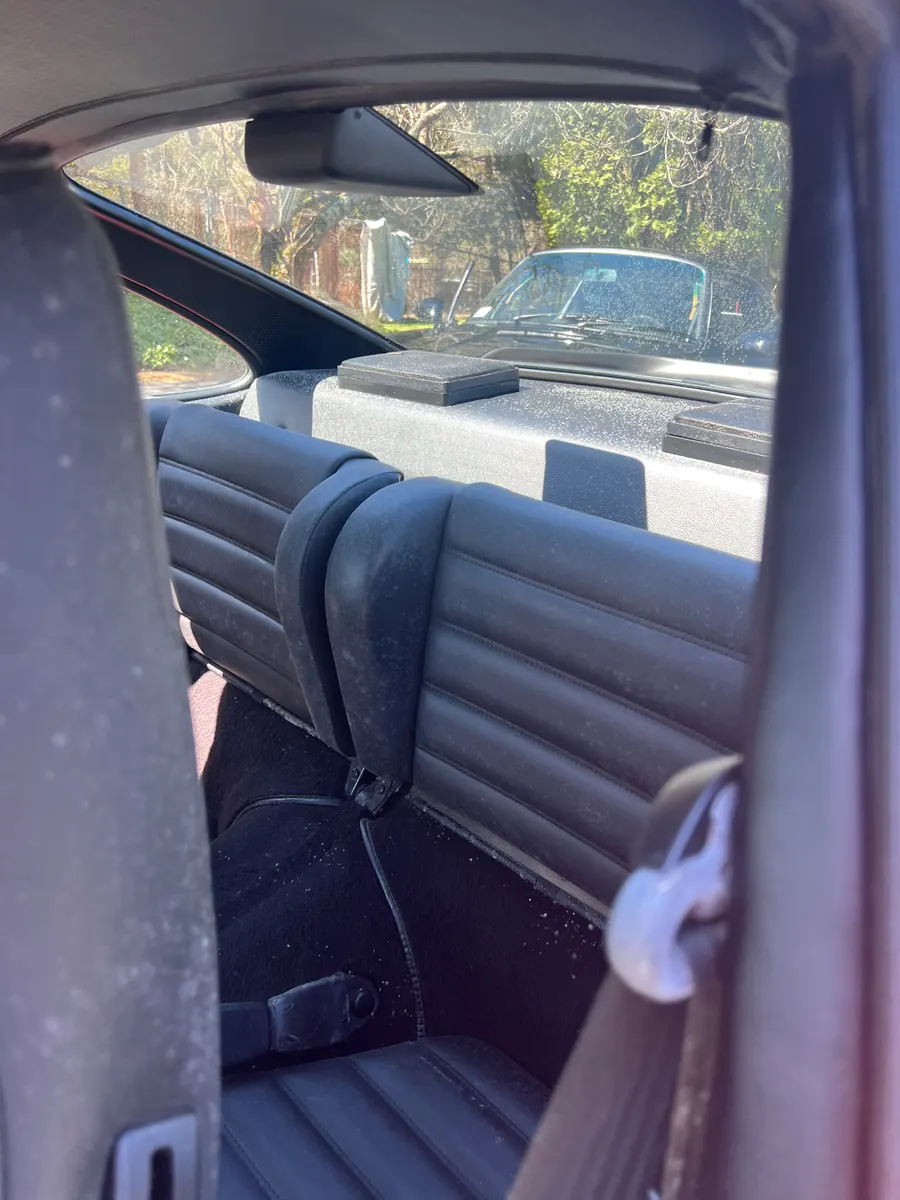
Take clear photos of the general cabin area and closer views of visible spotting, discoloration, wet carpet, damp upholstery, trunk lining, floor mats, seat belts, or other affected trim. Note when each photo was taken and whether it followed rain, a spill, or another event. A photo can show location and visible condition, but the current page cautions that appearance alone cannot establish how far moisture or growth extends.
Avoid pulling up carpet, removing fixed trim, opening an HVAC housing, or dismantling the interior merely to create better photographs. Hidden areas may involve fasteners, wiring, restraint components, foam, adhesive, or materials that require appropriate procedures. Instead, identify the edge of what you can see and state that the rest is unknown. That is useful information for planning an in-shop assessment and avoids turning an observation into an unsupported claim about concealed contamination.
Map the concern by material and cabin location
“There is mold in the car” is less useful than a location map. List the affected row and side, then name the material: fabric seat, leather surface, carpet, mat, seat belt, trunk liner, hard trim, headliner, or another visible part. Say whether one small area, several separated areas, or much of a row appears involved. Also report whether the material is currently dry, cool and damp, visibly soaked, stained, or only associated with an odor.
Material and access affect what may be appropriate. The published page explains that amount and location of visible growth, how much carpet or upholstery is damp, material type, how long it was wet, previous cleaning, and access all influence scope. The assessment may find that a component is too damaged to restore and needs replacement. That possibility should remain a condition-based decision rather than an assumption made from a photograph or a general description.
Describe a musty smell separately from visible growth
A persistent musty smell is important to report, but it does not by itself show the complete source. Explain where the odor is strongest: near a seat, one footwell, the trunk, the headliner, or the vents. Note whether it is present when the car is first opened, after rain, while the fan is running, or after the cabin warms up. If the smell changes, record that pattern instead of using a single broad label.
The separate car odor removal service asks customers to describe the type and location of a smell, how long it has been noticeable, and any spill, leak, or contamination history. When visible mold or recurring moisture is also present, the mold-removal assessment is the better starting point. Boston Mobile Car Detailing does not promise that every odor will disappear. A source may be concealed, may involve an unrepaired leak, or may sit within a mechanical system that requires another specialist.
Why the in-shop assessment is the recommended starting point
Boston Mobile Car Detailing recommends bringing the vehicle to the shop when there is visible growth, soaked upholstery, suspected moisture beneath cabin surfaces, recurring dampness, extensive water intrusion, or a musty odor from the vents. The in-shop route allows the team to inspect the vehicle, discuss where moisture may have reached, and propose a vehicle-specific scope before work begins. It is not a one-size-fits-all package or a promise that every area can be restored.
Depending on the vehicle and condition, the agreed in-shop service may include removing interior components as appropriate, inspecting affected areas, cleaning and disinfecting affected parts, extracting accessible water, and thoroughly drying treated areas before reassembly. The exact process depends on inspection, material condition, and access. Ask the written scope to name the areas and work being proposed, because “in-shop remediation” does not mean every component will automatically be removed or every hidden system will be opened.
Understand what mobile surface-level work cannot replace
Mobile mold-related work is limited to suitable visible concerns that can be handled through accessible surface cleaning and extraction of surface-level water. It does not strip the interior, inspect behind fixed trim, reach hidden contamination, or provide complete remediation of suspected growth under carpet, inside foam, behind panels, or across multiple concealed cabin areas. The affected area and requested work must be suitable for that narrower scope.
That boundary is different from ordinary interior detailing, which addresses routine cabin buildup on accessible seats, carpet, mats, glass, and hard surfaces. The interior page treats visible mold, water intrusion, persistent odor, and related specialty conditions as separate assessments rather than automatic inclusions. If you are choosing between a mobile visit and the shop, base the decision on the condition and access described by the live mold page—not simply on which option is more convenient.
Keep upholstery extraction in its proper role
Targeted upholstery extraction can be appropriate for suitable fabric seats, carpets, or mats after the material and spill or stain history are reviewed. The live upholstery page asks which fabric areas are affected, what caused any known spill or stain, and when the vehicle needs to be used again so drying expectations can be discussed. It also directs customers with material that stayed wet or shows mold to select mold removal instead of treating the condition as routine upholstery cleaning.
Do not assume extraction alone resolves a mold concern or repairs the reason a carpet became wet. During the in-shop discussion, ask which accessible water or fabric treatment is part of the proposed remediation, how drying will be handled, and whether any material appears unsuitable for restoration. If a separate upholstery extraction service is recommended later, have it stated clearly. A technique is not a substitute for a diagnosis of an active leak or an unlimited guarantee about hidden material.
Report HVAC or vent-related concerns before the visit
Tell the team if a musty odor is strongest when the fan, heat, or air conditioning runs, or if you suspect the concern involves a vent or another part of the HVAC path. The mold page says contamination inside a mechanical system may require a separate specialist, and it does not present detailing as HVAC repair. A cabin surface assessment cannot confirm that an enclosed ventilation component is clear.
Record which settings make the odor noticeable, how soon it begins, and whether it continues after the fan is turned off. Do not open housings, remove filters, or spray products into vents solely for the detailing quote unless an appropriate professional has directed you to do so. If an automotive specialist later inspects or repairs the HVAC system, share that updated history with Boston Mobile Car Detailing so the proposed cabin scope reflects what has already been evaluated.
List every previous cleaning, spray, and repair attempt
Previous work changes the condition the team will see. Disclose whether anyone vacuumed, extracted, shampooed, steam-treated, disinfected, deodorized, sprayed, wiped, dried, replaced, or removed a visible area. Include professional work and do-it-yourself attempts, even if the product name is unknown. State which areas were treated, approximately when, whether the material fully dried, and whether visible spotting, dampness, or odor later returned.
Also list repairs or inspections connected to the moisture event: glass replacement, seal work, sunroof service, drain cleaning, body repair, HVAC work, or a water-intrusion inspection. A prior attempt may have improved one surface without addressing another. Honest documentation helps the team avoid assuming the vehicle is untreated and supports a more precise scope conversation. It does not guarantee compatibility, reversal of damage, stain removal, or complete removal of a concealed source.
Prepare the vehicle without creating a larger disturbance
Before bringing the vehicle in, contact Boston Mobile Car Detailing to discuss what you noticed and arrange the assessment. The live page advises removing personal belongings only when doing so will not disturb visible growth or wet material; if you are unsure, ask first. Do not stack items from an affected trunk in the passenger area or move damp mats onto other cabin surfaces simply to make the vehicle look ready.
Make a list of belongings or installed equipment that may limit access, including child seats, cargo organizers, tools, seat covers, or mobility equipment. Ask what should stay in place and what can be removed safely before arrival. If the vehicle is not safe to drive or has an active leak, disclose that when contacting the team so an appropriate next step can be discussed. A quote request does not replace vehicle-safety advice from the relevant automotive professional.
Ask the assessment to define scope, access, and limits
Bring a short list of questions: Which visible areas will be inspected? Which components, if any, may be removed as appropriate? What affected parts are proposed for cleaning and disinfection? What accessible water extraction and drying are included? Which stains, damaged materials, concealed spaces, HVAC concerns, leak repairs, or replacements are outside the work? What condition could require the scope to change after inspection?
The current page says the team explains the proposed work and confirms the scope before starting. Use that conversation to make the boundaries concrete. Do not rely on phrases such as “deep clean” or “full treatment” without the affected areas being identified. Boston Mobile Car Detailing does not promise 100 percent removal in every vehicle or guarantee that a stain or odor will disappear. The useful commitment is the agreed work, not a perfect-result claim.
Plan the order of repair, remediation, and follow-up
When an active leak, HVAC issue, structural water-damage concern, or damaged material is involved, more than one provider may be needed. Ask the automotive or restoration specialist what must be inspected or repaired and whether that work should occur before the vehicle is cleaned. Then update Boston Mobile Car Detailing with what was found, what was repaired, and which cabin areas remain affected. The order should reflect the real condition rather than a generic sequence.
After the agreed remediation, watch for new dampness, renewed odor, or visible changes and record when they occur. Recurrence does not automatically prove that the original work was incomplete; new water, a concealed source, damaged material, or a mechanical system may be involved. Report the facts and arrange the appropriate follow-up assessment. The goal is to keep repair, accessible remediation, material replacement, and ongoing observation separate enough that each provider can address the work it actually performs.
Use a concise request for an in-shop mold assessment
A useful request can fit in one message: identify the year, make, model, and body style; list the affected rows, sides, and materials; describe visible growth, dampness, and odor; give the moisture timeline; state whether dampness recurred; disclose known leaks, HVAC concerns, previous cleaning, and repairs; and say that you can bring the vehicle to the shop for assessment. Add photos only when they can be taken without disturbing the area.
Then follow the published process: allow the team to review the details, ask follow-up questions, explain the proposed scope, and confirm the quote and visit arrangements before work begins. The request should not assume a price, treatment sequence, duration, or result. It should give Boston Mobile Car Detailing enough verified condition information to decide whether the shop assessment is appropriate and to explain when another automotive or restoration specialist needs to be part of the plan.
What to remember
- Build a clear timeline showing when the vehicle became wet, where moisture appeared, and whether dampness returned.
- Treat an active leak, HVAC issue, or structural water-damage concern as a separate inspection or repair need.
- Use the in-shop assessment for suspected moisture beneath surfaces, recurring dampness, extensive water intrusion, or multiple affected areas.
- Understand that mobile mold-related work is limited to suitable accessible surface cleaning and surface-level water extraction.
- Review the proposed areas, access, drying, exclusions, and realistic result limits before work begins.